Choosing the right toothpaste may seem simple, but with so many options on the shelf — whitening, sensitivity, herbal, charcoal, and more — it can be hard to know which one is actually good for your teeth. If you've been searching for a dentist recommended toothpaste, you're likely looking for a product that genuinely protects your teeth, prevents cavities, and supports long-term oral health.
At Little Bites Dental Clinic, we regularly help patients across Faridabad and Delhi NCR choose toothpaste based on their individual dental needs rather than marketing claims. The best toothpaste for one person may not be the right choice for another. In this guide, we explain what dentists look for in a toothpaste, which ingredients matter, and how to choose the right option for adults and children.
What Is a Dentist Recommended Toothpaste?
A dentist recommended toothpaste is one that contains ingredients proven to support oral health through scientific evidence. Rather than focusing on cosmetic claims alone, dentists recommend toothpaste based on factors such as cavity prevention, gum protection, enamel strengthening, and sensitivity relief.
Most dental professionals advise choosing a toothpaste that:
- Contains fluoride (unless otherwise advised)
- Has been tested for safety and effectiveness
- Matches your oral health needs
- Is not overly abrasive
- Supports healthy gums and enamel
There is no single toothpaste that is ideal for everyone. The right choice depends on your age, dental history, and current oral health.
Why Does Choosing the Right Toothpaste Matter?
Toothpaste does much more than freshen breath. A well-formulated toothpaste helps:
- Prevent tooth decay — disrupts the bacteria that cause cavities before they can damage enamel.
- Strengthen enamel — fluoride remineralises and hardens the outer tooth surface.
- Remove plaque — gentle cleaning agents lift the sticky bacterial film off teeth.
- Reduce gum inflammation — the right formula supports healthier, less irritated gums.
- Control tooth sensitivity — specific ingredients calm nerve response to hot and cold.
- Maintain fresh breath — clears food debris and odour-causing bacteria.
Using the wrong toothpaste may not address your specific concerns, and in some cases highly abrasive products may contribute to enamel wear over time.
What Ingredients Do Dentists Look For?
Fluoride
Fluoride remains one of the most important ingredients in modern toothpaste. Its benefits include:
- Strengthening tooth enamel — making teeth more resistant to decay.
- Reducing the risk of cavities — the most researched benefit of fluoride toothpaste.
- Helping repair early enamel damage — reversing demineralisation before a cavity forms.
- Protecting teeth against acid attacks — from food, drinks, and bacteria.
For most adults and children, fluoride toothpaste is recommended unless a dental professional advises otherwise.
Potassium Nitrate
Patients with sensitive teeth often benefit from toothpaste containing potassium nitrate. This ingredient helps reduce discomfort caused by cold drinks, hot beverages, sweet foods, and brushing. Improvement typically occurs after regular use for several weeks.
Stannous Fluoride
Some formulations contain stannous fluoride, which offers multiple benefits:
- Cavity prevention — combines fluoride protection with antibacterial action.
- Reduced tooth sensitivity — helps seal the exposed surfaces that trigger pain.
- Protection against plaque — slows the buildup of bacteria on teeth.
- Improved gum health — supports healthier gums with regular use.
Mild Abrasives
Toothpaste contains gentle polishing agents that help remove plaque and surface stains. However, toothpaste should not be excessively abrasive, as aggressive products may contribute to enamel wear if used improperly.
Not sure which toothpaste is right for you or your child?
Book a checkup at Little Bites Clinic, Sector 29, Faridabad — our team can recommend oral care products tailored to your specific needs.
WhatsApp UsShould You Choose Whitening Toothpaste?
Many people want a brighter smile, but whitening toothpaste has limitations. It can help remove coffee stains, tea stains, tobacco stains, and other surface discolouration. However, whitening toothpaste cannot significantly change the natural shade of your teeth or whiten internal discolouration. Patients seeking more noticeable whitening should consult their dentist about professional treatment options.
Is Charcoal Toothpaste Recommended?
Charcoal toothpaste has become popular on social media, but the evidence supporting its long-term benefits remains limited. Potential concerns include:
- Higher abrasiveness
- Enamel wear with excessive use
- Lack of fluoride in some products
- Limited evidence for superior whitening
Many dentists recommend using fluoride toothpaste instead of relying solely on charcoal-based products.
Is Herbal Toothpaste a Good Choice?
Herbal toothpaste may contain plant-based ingredients that contribute to fresh breath and oral hygiene. However, when choosing herbal toothpaste, check whether it also contains fluoride if cavity prevention is a priority. Not all herbal formulations provide the same level of protection against tooth decay.
Which Toothpaste Is Best for Sensitive Teeth?
If hot, cold, or sweet foods cause sharp pain, a sensitivity toothpaste may help. These products are designed to reduce nerve stimulation and protect exposed dentin. Common recommendations include toothpaste formulated specifically for sensitive teeth, exposed roots, and gum recession. Your dentist can determine whether sensitivity is due to enamel wear, cavities, gum disease, or another underlying issue.
What Is the Best Toothpaste for Children?
Parents frequently ask which toothpaste is safest for young children. Dentists generally recommend the following:
For children under 3 years
- A smear or rice-grain-sized amount of fluoride toothpaste, if advised by the child's dentist or pediatric healthcare provider.
For children aged 3–6 years
- A pea-sized amount of fluoride toothpaste.
- Adult supervision during brushing.
Children should be encouraged to spit out toothpaste rather than swallow it. At Little Bites Dental Clinic, we guide parents in selecting age-appropriate toothpaste and establishing healthy brushing habits from an early age.
What If You Have Gum Disease?
Patients with gingivitis or early gum disease may benefit from toothpaste designed to improve gum health. These products often help reduce plaque, decrease gum inflammation, and improve bleeding gums when combined with proper brushing and flossing. However, toothpaste alone cannot treat gum disease — professional dental cleaning and good oral hygiene remain essential.
Can Toothpaste Repair Cavities?
This is one of the most common misconceptions. Toothpaste cannot repair a cavity that has already formed. However, fluoride toothpaste may help reverse very early enamel demineralisation before a cavity develops. Once decay creates a hole in the tooth, professional dental treatment is usually required.
How Often Should You Replace Your Toothpaste?
Replace your toothpaste if:
- It has passed its expiration date
- The tube has been contaminated
- The product has dried out
- Your dentist recommends a different formulation due to changing oral health needs
Common Toothpaste Myths
- Myth: More foam means better cleaning — Foam does not indicate better cleaning performance.
- Myth: Whitening toothpaste replaces professional whitening — It removes surface stains but cannot dramatically whiten teeth.
- Myth: Herbal toothpaste is always better — Ingredients and fluoride content matter more than marketing labels.
- Myth: Expensive toothpaste is always superior — Price alone does not determine effectiveness; suitability for your needs matters far more.
— Dr. Nikitaa Dhingra Sanan, Little Bites Dental Clinic, Faridabad
Expert Recommendations from Little Bites Dental Clinic
When selecting a dentist recommended toothpaste, keep these practical tips in mind:
- Choose fluoride toothpaste — unless your dentist advises otherwise.
- Match the toothpaste to your concern — pick based on your specific dental needs rather than advertising claims.
- Avoid highly abrasive products — especially for everyday use.
- Use sensitivity toothpaste consistently — if it has been recommended for you.
- Replace your toothbrush every 3–4 months — worn bristles clean far less effectively.
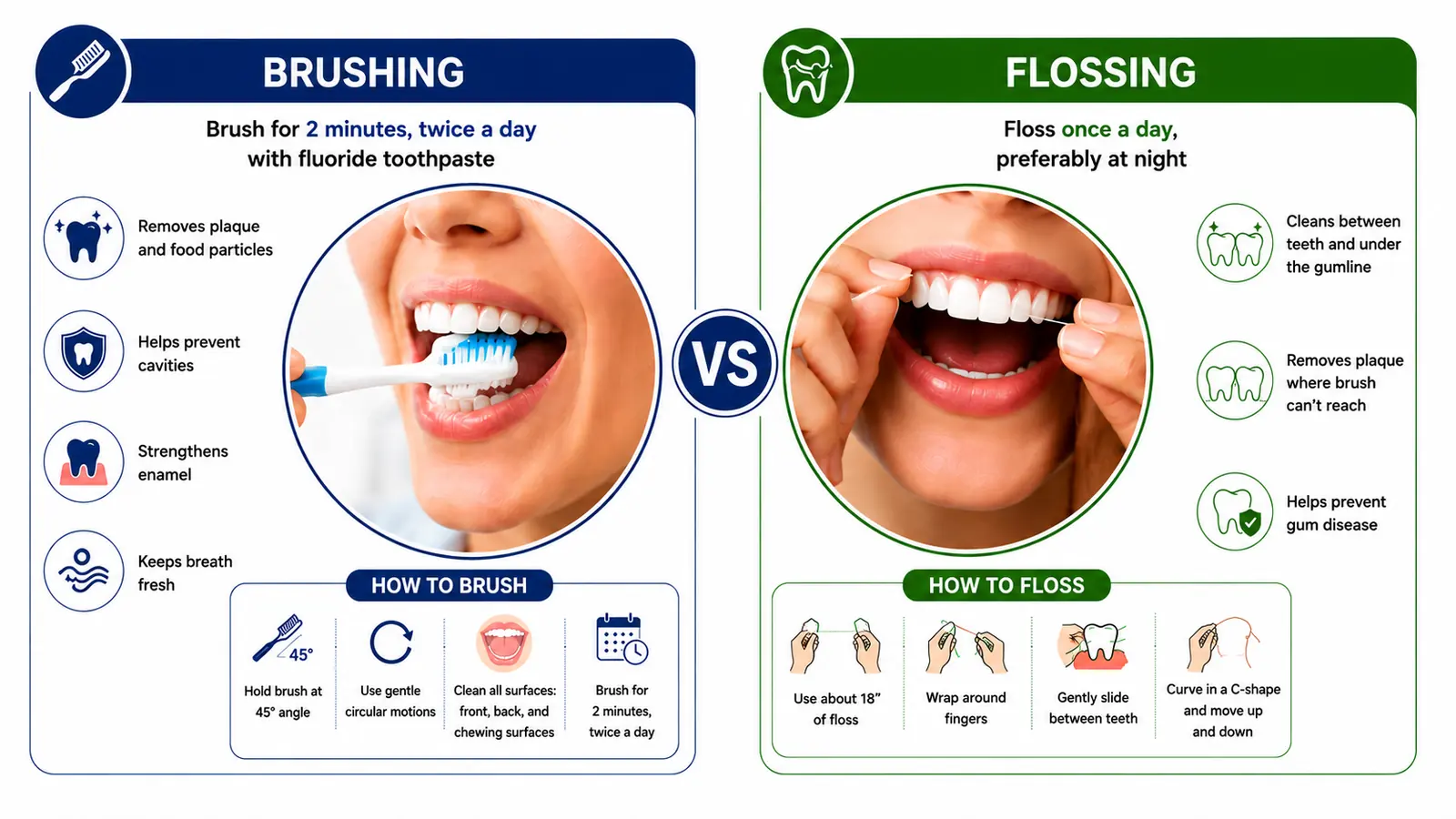
- Brush twice daily and floss once a day — two minutes each brushing session.
- Visit your dentist regularly — for professional examinations and cleanings.
For families in Faridabad and Delhi NCR, regular dental checkups can help identify the most suitable oral care products for every age group.
When Should You Ask Your Dentist About Changing Toothpaste?
Consult your dentist if you experience any of the following:
- Frequent cavities
- Tooth sensitivity
- Bleeding gums
- Persistent bad breath
- Dry mouth
- Enamel erosion
- White spots on teeth
- Braces or orthodontic appliances
Your oral health needs may change over time, and your toothpaste should support those changes.
Conclusion
Finding the right dentist recommended toothpaste doesn't mean choosing the most expensive brand or the one with the most attractive packaging. The best toothpaste is one that matches your individual oral health needs, contains evidence-based ingredients like fluoride, and is used as part of a consistent daily oral hygiene routine.
At Little Bites Dental Clinic, we help patients throughout Faridabad and Delhi NCR choose oral care products that support healthy teeth and gums at every stage of life. Whether you're looking for toothpaste for children, sensitive teeth, cavity prevention, or gum care, a personalized consultation can help you make an informed choice.