Flossing works by physically disrupting plaque between teeth and around the gumline - areas a toothbrush may not clean effectively. How many times a day should you floss? For most people, the American Dental Association recommends cleaning between the teeth once a day.
At Little Bites Dental Clinic, Faridabad, we encourage families to think of flossing as cleaning the sides of the teeth, not simply removing food that gets stuck.
How Does Flossing Work?
Flossing works by mechanically disturbing dental plaque where toothbrush bristles may not reach well.
Plaque is not simply leftover food. It is a sticky biofilm containing bacteria that develops on tooth surfaces. If it remains undisturbed, plaque can contribute to tooth decay and inflammation of the gums.
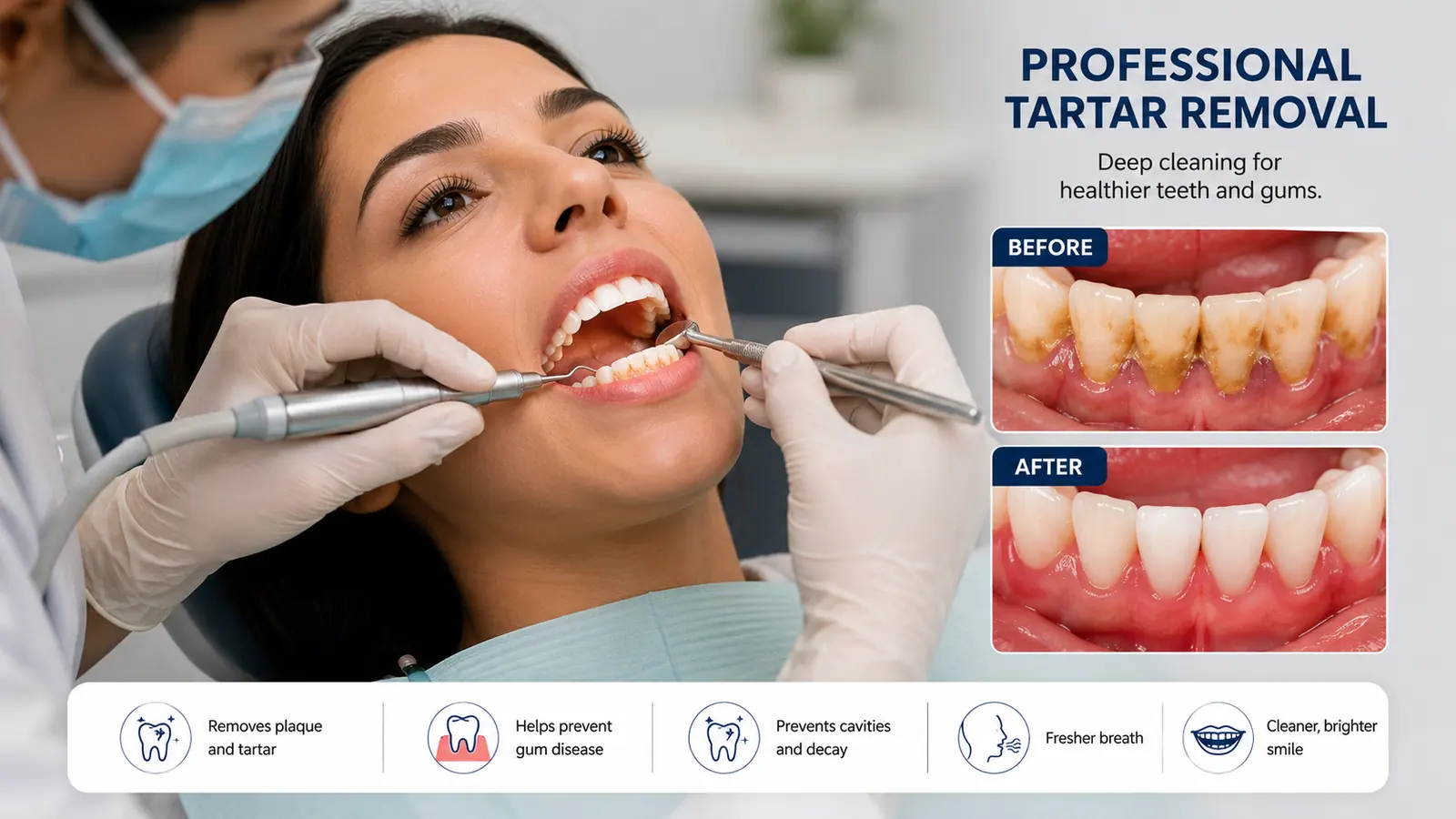
The goal is for floss to contact the side of each tooth, rather than simply passing through the gap. Once plaque hardens into calculus, or tartar, brushing and flossing cannot remove it; professional dental cleaning is required.
How Many Times a Day Should You Floss?
For most people, once a day is enough. The ADA recommends brushing twice daily and cleaning between the teeth with floss or another suitable interdental cleaner once daily.
There is usually no need to floss after every meal unless your dentist recommends otherwise for a specific reason. More flossing is not automatically better; aggressive or incorrect flossing can traumatise the gum tissue.
- Clean between the teeth consistently.
- Reach both sides of each interdental space.
- Use gentle technique.
- Choose an interdental cleaning method you can use effectively.
What Is the Correct Way to Floss?
Good flossing should clean along the tooth surface without cutting or snapping into the gums.
- Take about 18 inches or 45 cm of floss.
- Wind most of it around your middle fingers.
- Hold a short section firmly between your thumbs and index fingers.
- Gently guide it between two teeth. Do not snap it into the gum.
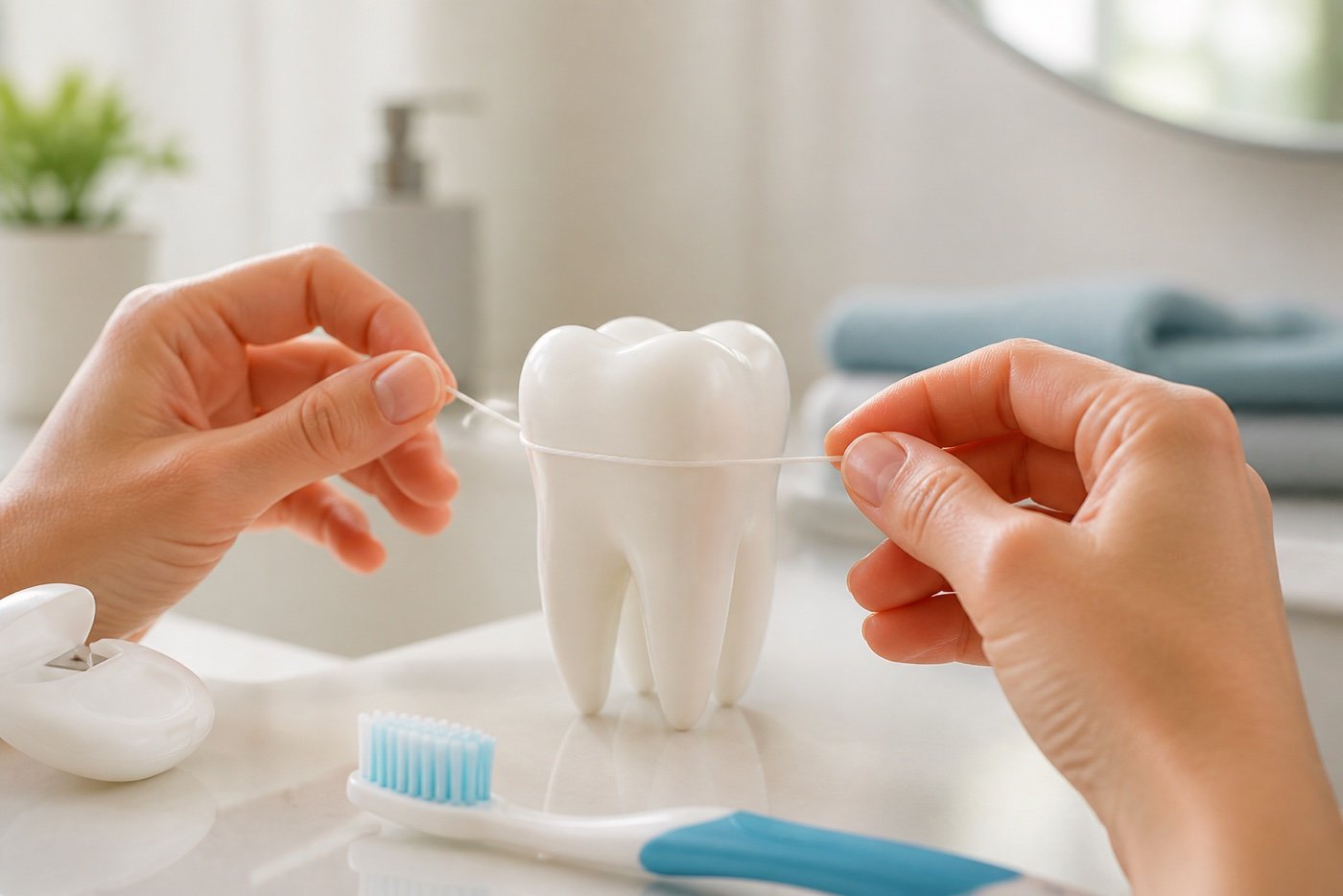
- Curve the floss around one tooth into a C shape.
- Move it gently up and down along the side of that tooth and slightly below the gumline.
- Curve it around the neighbouring tooth and repeat.
- Use a clean section as you move around the mouth.
- Remember the back surface of the last tooth on each side.
Should You Floss Before or After Brushing?
Either order is acceptable if you clean thoroughly. The more important issue is making interdental cleaning part of your daily routine.
If you are too tired to floss properly at bedtime, flossing after lunch or in the morning is preferable to repeatedly skipping it. Consistency matters more than choosing a perfect time.
Does Flossing Really Make a Difference?
Flossing can improve interdental cleaning, but the strength of research evidence should be described carefully. A Cochrane review found that adding floss to toothbrushing may reduce gingivitis, although certainty of evidence was low and studies were generally short term.
The takeaway is not that floss is magical. It is that interdental plaque needs to be disrupted, whether with floss or another appropriate device.
What If Your Gums Bleed When You Floss?
Occasional mild bleeding when someone first begins flossing can occur, but regular or persistent bleeding should not simply be ignored.
See a dentist if bleeding keeps happening, gums are swollen or tender, you have persistent bad breath, flossing causes significant pain, teeth feel loose, or you notice gum recession.
Do not stop cleaning an area simply because it bleeds, but do make sure you are not forcing or snapping the floss.
Do Children Need to Floss Every Day?
Children should begin interdental cleaning when neighbouring teeth touch and a toothbrush can no longer adequately clean between them.
Young children usually need an adult to do the flossing because the hand coordination required can take years to develop. This is particularly important in tightly contacting back teeth, where food and plaque may remain hidden even when visible surfaces look clean.
For families in Faridabad and Delhi NCR, a dental examination can help determine which contacts need flossing and whether conventional floss, floss holders or another method is easiest for the child. You can also read our pediatric dentistry guide for preventive care tips.
Is String Floss the Only Option?
No. The objective is effective interdental plaque removal, not loyalty to one particular tool.
- Traditional dental floss
- Floss holders or floss picks
- Interdental brushes
- Water flossers
Water flossers may be convenient for some people with braces, bridges or difficulty manipulating string floss. Interdental brushes can work well where sufficient space exists, although the correct brush size is important. Your dentist or hygienist can recommend an option suited to your spaces and restorations.
Flossing causes pain or bleeding?
A dental assessment can help identify the reason and demonstrate a technique suited to your mouth.
WhatsApp UsConclusion
So, how does flossing work? It mechanically disrupts plaque between teeth and along areas of the gumline that a toothbrush may not adequately clean.
And how many times a day should you floss? For most people, once daily is the standard recommendation. Technique matters more than force: gently wrap the floss around each tooth in a C shape, clean both sides of every space and make interdental cleaning a consistent part of your routine.
References
- American Dental Association - MouthHealthy flossing guidance.
- American Dental Association - dental floss and interdental cleaners.
- National Institute of Dental and Craniofacial Research - Do I Really Need to Floss?.
- National Institute of Dental and Craniofacial Research - oral hygiene guidance.
- Cochrane Oral Health - interdental cleaning devices evidence review.
- American Dental Association - bleeding gums information.
Author / medical reviewer: Dr. Nikitaa Dhingra Sanan, BDS, MDS - Pediatric Dentist
Clinic: Little Bites Dental Clinic, Faridabad
Last medically reviewed: 24 August 2026
Medical disclaimer: This article provides general educational information and does not replace an individual dental examination, diagnosis or personalised treatment plan.