Looking for the best electric toothbrush in 2026? You do not necessarily need the most expensive model. For most people, the features that matter most are soft bristles, a two-minute timer, a comfortable brush head and, ideally, a pressure sensor.
At Little Bites Dental Clinic in Faridabad, we recommend choosing a toothbrush according to your age, brushing habits, gum health, dexterity and ability to buy replacement heads regularly - not simply the brand name or number of smart features.
What Has Changed in Electric Toothbrush Advice in 2026?
The basics of good brushing have not changed. The American Dental Association recommends brushing twice daily for two minutes, using soft bristles, using gentle pressure and replacing the toothbrush or powered brush head approximately every three to four months, or earlier if bristles become frayed.
What has changed is the amount of research comparing different powered-toothbrush technologies. A 2026 network meta-analysis involving 19 randomized controlled trials compared oscillating-rotating, sonic, ultrasonic, other electric and manual toothbrushes. Oscillating-rotating brushes ranked highest for plaque reduction, followed by sonic brushes. Similar rankings were reported for gingivitis reduction.
That does not mean every oscillating-rotating brush is automatically better for every person. Brush design, technique, brushing time and consistency still matter.
What Features Do Dentists Recommend in an Electric Toothbrush?
The most useful features are often much simpler than product advertising suggests.
- Soft bristles: Choose a soft-bristled brush head to clean effectively while reducing the risk of gum abrasion from aggressive brushing.
- Two-minute timer: A built-in timer makes it easier to reach the recommended brushing duration.
- Pressure sensor: This alerts you when you press too hard, especially helpful for people who scrub instead of gently guiding the brush.
- Appropriate brush-head size: The head should comfortably reach back molars, the gumline, inside tooth surfaces and areas around braces where relevant.
- Available replacement heads: Before buying, check genuine replacement-head availability, cost, compatibility, warranty and service support.
Best Electric Toothbrush for Beginners in 2026
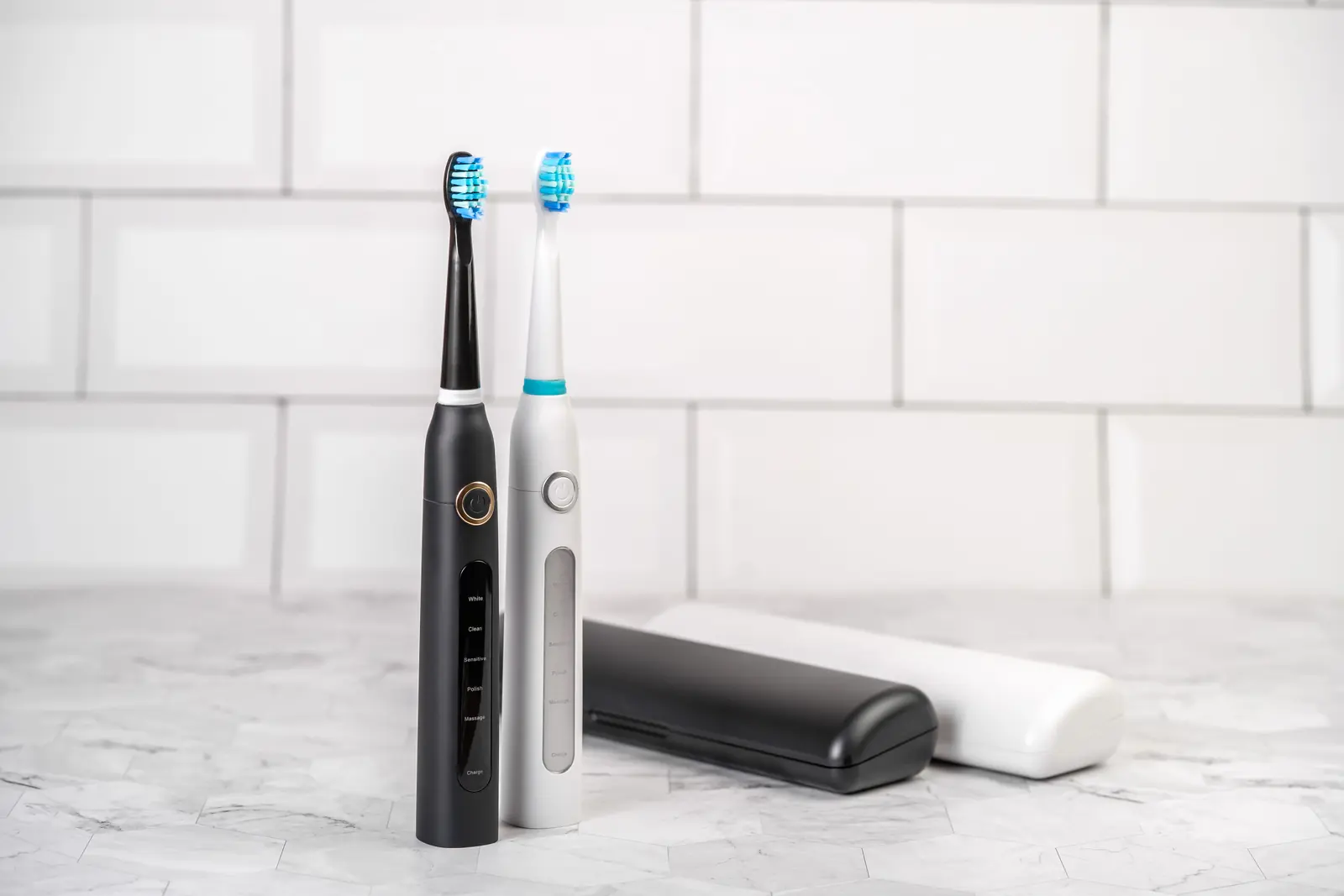
For beginners, a simple electric toothbrush is usually better than a complicated premium model. Prioritize soft bristles, a two-minute timer, a pressure sensor if your budget allows, simple controls, comfortable grip, readily available replacement heads and reasonable long-term cost.
You usually do not need Bluetooth, AI brushing maps, colour displays, seven cleaning modes or smartphone connectivity. Some people also need a few days to become comfortable with the vibration of a sonic toothbrush.
Is an Electric Toothbrush Worth It in 2026?
An electric toothbrush can be worth buying when it makes correct brushing easier or more consistent, but it is not essential for everyone. The ADA states that both manual and powered toothbrushes can be effective.
An electric toothbrush may be especially useful if you regularly brush for less than two minutes, tend to brush too hard, have limited hand movement, find manual brushing difficult, wear braces, benefit from timers or pressure feedback, or have a child who is more motivated by powered brushing.
Sonic vs Oscillating-Rotating Toothbrush: Which Is Better in 2026?
Both technologies can clean teeth effectively, but they work differently.
Oscillating-Rotating Toothbrushes
These usually have a small round head that oscillates or rotates around individual teeth. The latest 2026 network meta-analysis ranked oscillating-rotating brushes highest among the technologies studied for plaque reduction.
Sonic Toothbrushes
Sonic toothbrushes generally use an elongated head with rapid side-to-side bristle movement. Many users like the familiar head shape and smooth brushing sensation.
Current evidence gives oscillating-rotating technology an interesting advantage at a group level, but this should not be interpreted as “every oscillating brush beats every sonic brush.” For individual patients, correct technique, two minutes, gentle pressure, twice-daily use and fluoride toothpaste may matter more.
Not sure which electric toothbrush suits you?
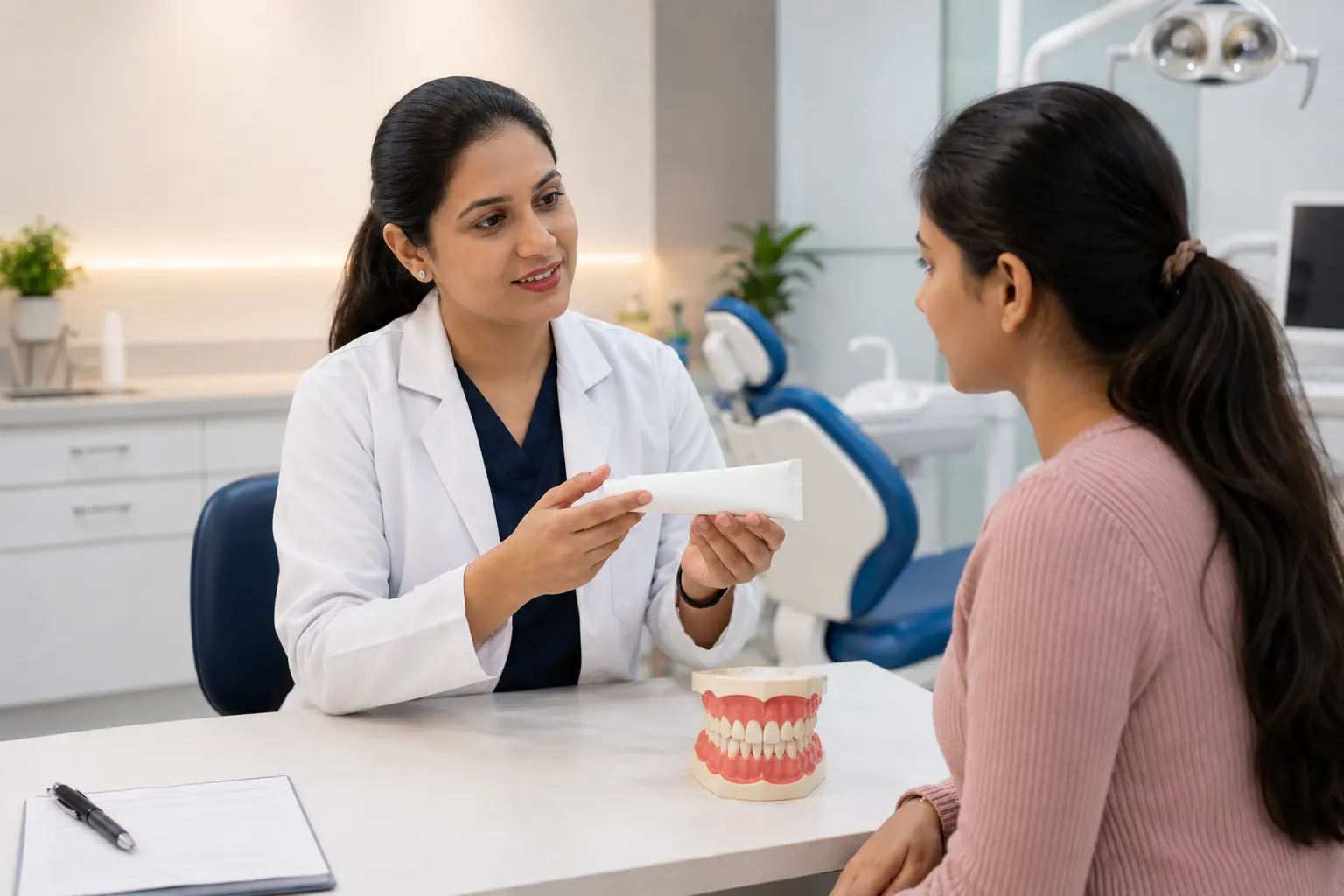
A dental assessment can help identify whether gum sensitivity, braces, enamel wear, plaque accumulation or brushing technique should influence your toothbrush choice.
WhatsApp UsBest Electric Toothbrush in India 2026: What Should You Look For?
If you are buying an electric toothbrush in Faridabad, Delhi NCR or elsewhere in India, avoid selecting a product only because it has the lowest online price.
- Check replacement-head availability: A model is easier to maintain when genuine compatible heads are widely available.
- Check the long-term cost: Consider handle cost plus replacement heads and accessories you actually need.
- Check Indian warranty support: Imported toothbrushes may not have the same local warranty or service options as models officially sold in India.
- Check charging compatibility: This matters if you buy a product designed for another country's electrical system.
Philips India currently lists multiple Sonicare ranges, including models with pressure sensors, timers and a Sonicare for Kids option. These examples illustrate current feature levels, not blanket product endorsements by Little Bites Dental Clinic. Availability, specifications and prices can change, so verify them at the time of purchase.
Best Electric Toothbrush for Kids in 2026
For children, size, comfort and supervision matter more than premium technology. Parents should look for small age-appropriate brush heads, soft bristles, an easy-to-hold handle, a two-minute timer, gentle brushing action and simple controls.
A 2025 systematic review and meta-analysis found moderate evidence that powered toothbrushes provide a small plaque-removal advantage over manual toothbrushes in children, with much of the evidence relating to oscillating-rotating brushes. This does not mean every child needs an electric toothbrush.
The American Academy of Pediatric Dentistry continues to emphasize something more fundamental: children should brush twice daily with an appropriate amount of fluoride toothpaste. Parents should continue helping or supervising brushing until the child can reliably clean every surface. For child-specific care, see our kid-friendly dentist guide.
Who May Benefit Most From an Electric Toothbrush?
- Children: Timers and powered movement may make brushing easier and more engaging for some children.
- Teenagers with braces: Powered brushes can be easier around brackets and wires, although careful interdental cleaning is still required.
- Seniors: People with reduced grip strength or coordination may find powered brushing easier.
- People with arthritis or limited dexterity: A larger powered handle and automated brushing motion can reduce fine hand movement.
- People who brush too hard: A pressure sensor can help identify excessive force.
What Electric Toothbrush Features Are Worth Paying Extra For?
Usually Worth Considering
- Pressure sensor
- Two-minute timer
- 30-second pacing alerts
- Sensitive mode, where appropriate
- Good replacement-head availability
- Comfortable battery life
Useful for Some People
- Brush-head replacement reminders
- Travel charging case
- Multiple intensity settings
- App-based brushing feedback
Usually Optional
- Touchscreen displays
- AI brushing maps
- Numerous cosmetic modes
- Elaborate smartphone dashboards
- Premium packaging
A toothbrush does not remove more plaque simply because it has more menu options.
Can Electric Toothbrushes Damage Teeth or Gums?
Electric toothbrushes are generally appropriate for routine oral hygiene when used correctly. The more important risk factors are excessive force, poor technique and using worn or unsuitable brush heads.
A 2026 systematic review comparing manual and powered toothbrushes found no statistically significant difference in gingival recession at six or twelve months. Evidence regarding gingival abrasion was inconsistent, and the overall certainty of evidence was very low. Use soft bristles and gentle pressure regardless of whether your brush is powered or manual.
How to Use an Electric Toothbrush Correctly
- Apply an appropriate fluoride toothpaste.
- Position the brush at the teeth and gumline.
- Use light pressure.
- Slowly guide the brush so every tooth surface is cleaned.
- Clean outer, inner and chewing surfaces.
- Spend approximately two minutes brushing.
- Avoid aggressive manual scrubbing unless specifically instructed for that device.
The ADA recommends brushing twice daily for two minutes with fluoride toothpaste and ensuring all inner, outer and chewing surfaces are reached.
Common Electric Toothbrush Mistakes
- Brushing for less than two minutes
- Pressing too hard
- Racing across the teeth
- Missing the gumline
- Failing to clean inside tooth surfaces
- Using a worn brush head
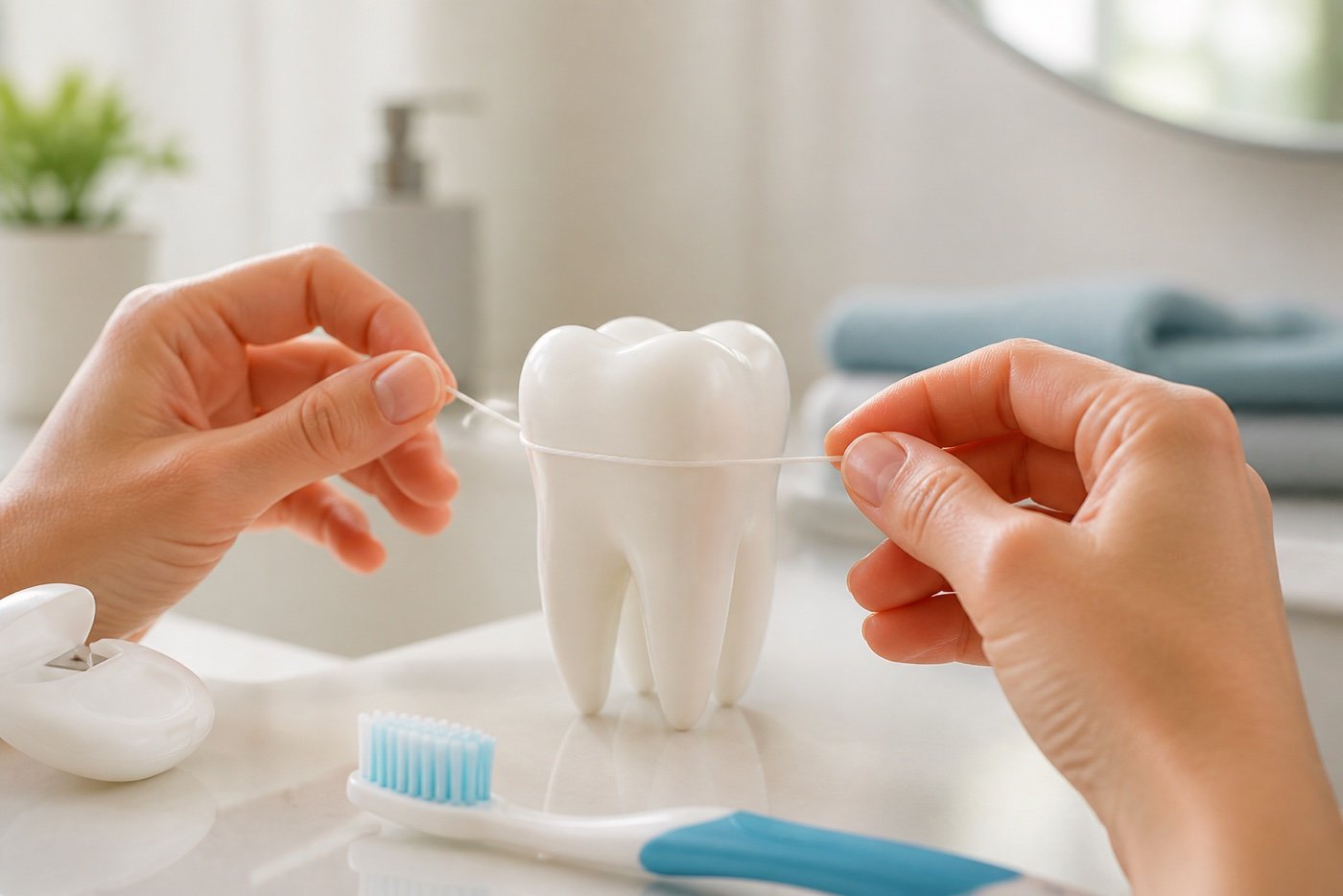
- Assuming the electric brush replaces flossing
- Using too much pressure because stronger vibration “feels cleaner”
- Failing to supervise young children
How Often Should You Replace an Electric Toothbrush Head?
Replace an electric toothbrush head approximately every three to four months, or sooner if the bristles become visibly matted or frayed. Do not wait for an exact calendar date if the bristles have already become worn.
Does an Electric Toothbrush Remove Tartar?
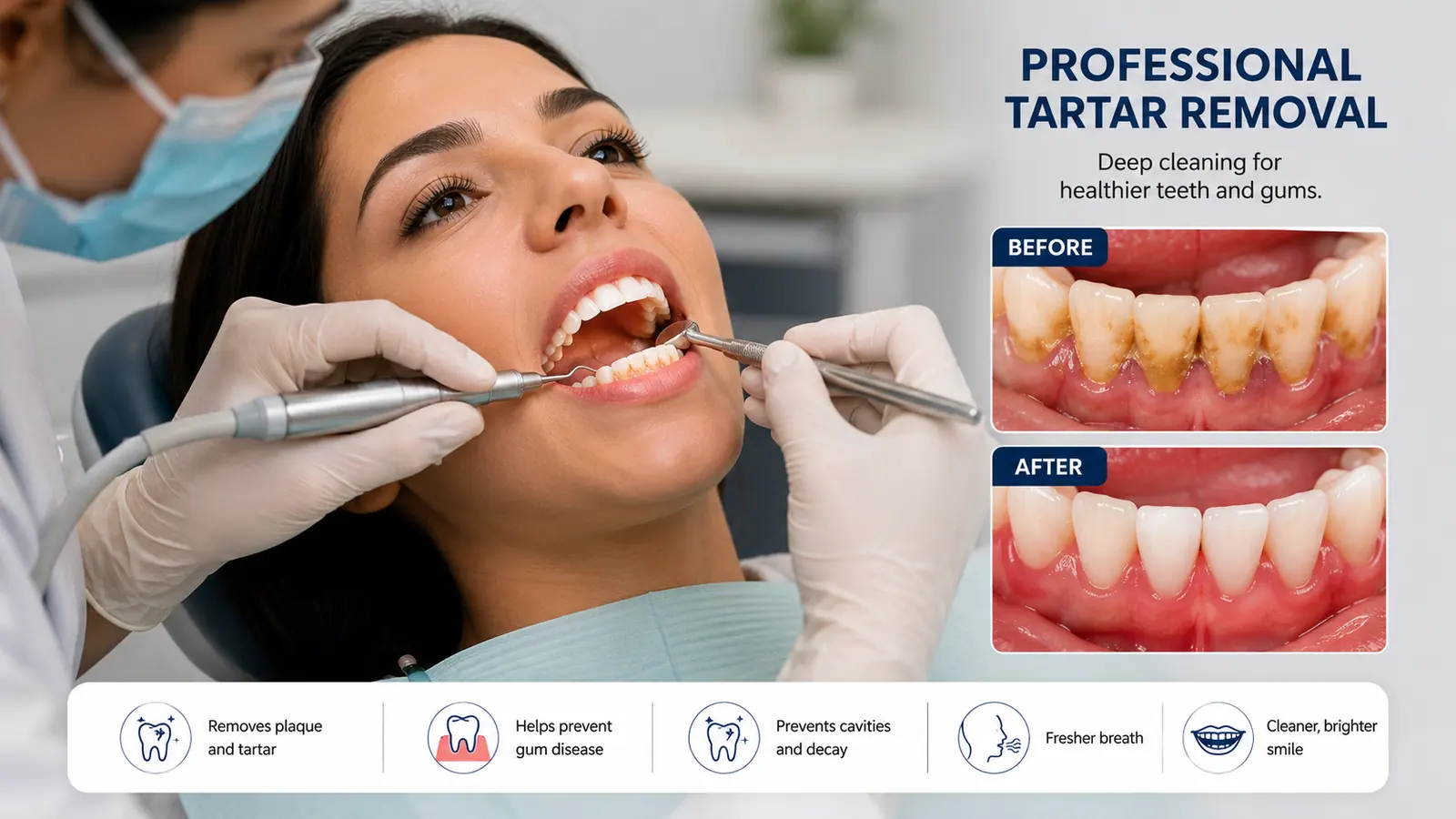
No toothbrush can reliably remove hardened tartar, or dental calculus, once it has firmly formed on the teeth. Electric toothbrushes can help with daily plaque control, which may reduce the amount of plaque available to mineralize over time. Established calculus usually requires professional removal.
Dentist's Recommendation From Little Bites Dental Clinic
Dr. Nikitaa Dhingra Sanan, Little Bites Dental Clinic, Faridabad
The most expensive model is not automatically the best choice. For most people, prioritize soft bristles, correct technique, two minutes, twice daily brushing, fluoride toothpaste and daily interdental cleaning.
Conclusion
Choosing the best electric toothbrush in 2026 does not have to mean buying the newest or most expensive product. For most adults, beginners and families, a good dentist-recommended electric toothbrush should offer soft bristles, a two-minute timer, comfortable handling, suitable brush-head size, readily available replacement heads and preferably a pressure sensor.
Current 2026 evidence suggests oscillating-rotating electric toothbrushes may have an advantage for plaque reduction, but both oscillating-rotating and sonic brushes can be effective. If you are buying an electric toothbrush in India, also consider long-term replacement-head cost, local availability and warranty support.
References
- American Dental Association - Toothbrushes guidance.
- Comparative efficacy of electric toothbrush technologies - 2026 network meta-analysis.
- Influence of manual and powered toothbrushes on gingival lesions - 2026 systematic review.
- Powered vs manual toothbrushes in children - 2025 systematic review and meta-analysis.
- American Academy of Pediatric Dentistry - Policy on Use of Fluoride.
- Philips India - current electric toothbrush catalogue.
Author / medical reviewer: Dr. Nikitaa Dhingra Sanan, BDS, MDS - Pediatric Dentist
Clinic: Little Bites Dental Clinic, Faridabad
Last medically reviewed: 24 August 2026
Medical disclaimer: This article provides general educational information and does not replace an individual dental examination, diagnosis or personalised treatment plan.