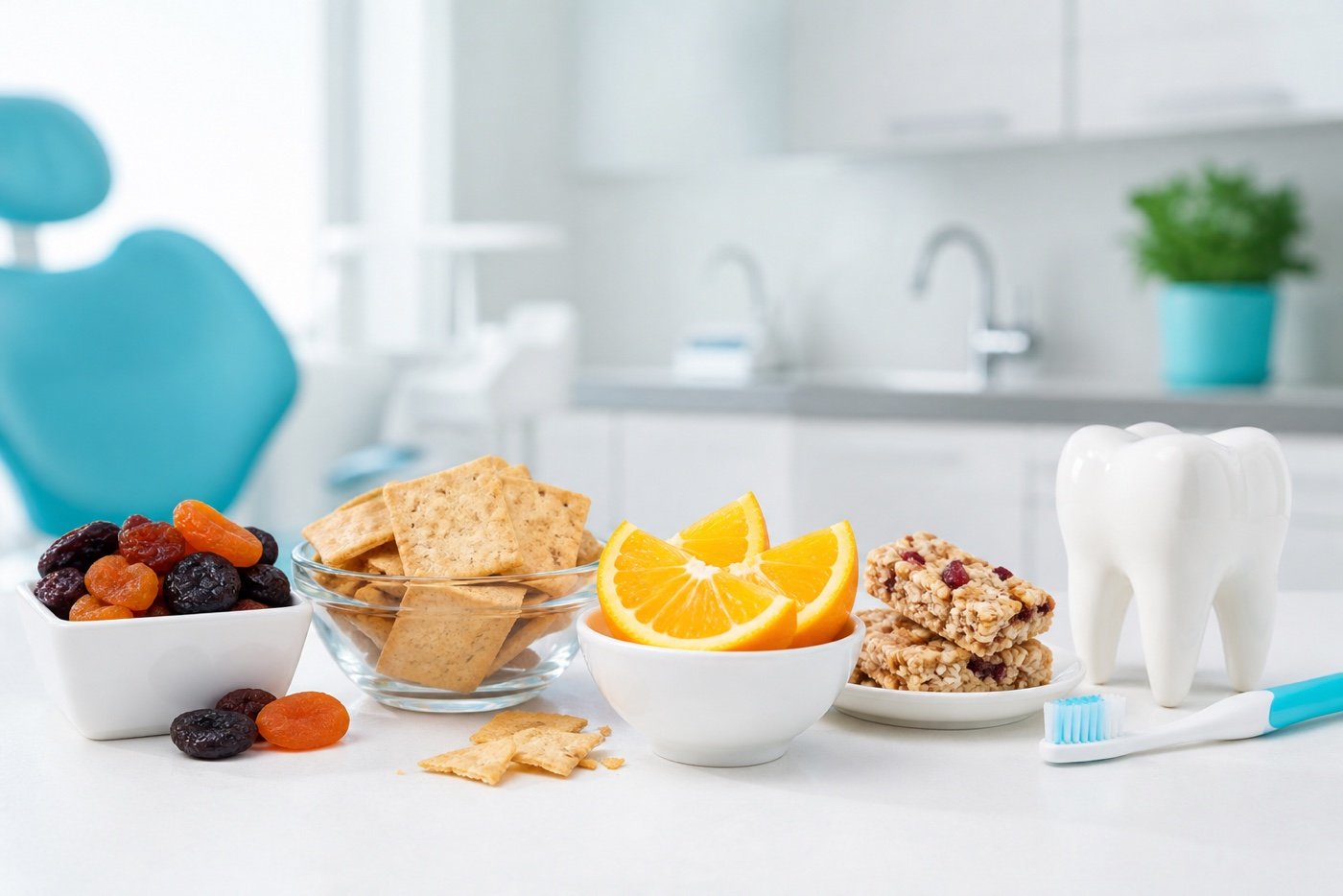
Some foods that look harmless, or even healthy, can increase the risk of tooth decay or enamel wear when eaten frequently. These 4 everyday foods may be harming your teeth not because they must be avoided completely, but because stickiness, acidity, added sugars and repeated snacking can keep teeth under attack for longer.
At Little Bites Dental Clinic, Faridabad, families often benefit more from understanding how and when foods are eaten than from simply labelling foods as good or bad.
Why Can Everyday Foods Affect Your Teeth?
Tooth decay and dental erosion are related, but they are not the same problem.
- Tooth decay develops when bacteria in dental plaque use sugars and produce acids that attack tooth enamel.
- Dental erosion occurs when acids from foods or drinks directly soften and gradually wear away enamel.
How often you snack matters too. Foods eaten as part of a meal generally cause less harm than frequent grazing because saliva flow increases during meals and helps wash away food and reduce acidity.
1. Dried Fruit: Sticky for Longer Than You Think
Raisins, dates, dried apricots and dried mango may look like an obvious alternative to sweets. They still deserve attention from a dental perspective.
Dried fruit is often sticky and concentrated, meaning pieces can remain attached to teeth or become lodged between them. That gives cavity-causing bacteria more time to interact with available sugars.
A more tooth-friendly approach is to eat dried fruit with a meal, choose fresh whole fruit more often, drink plain water afterward, brush twice daily with fluoride toothpaste and clean between teeth regularly.
2. Crackers and Chips: The Starch Can Be Sneaky
Crackers and potato chips are not usually thought of in the same way as sweets. However, many contain refined starches that break down into simpler sugars. Small pieces can also become trapped in the grooves of molars.
The bigger concern is often frequency. Eating crackers once with lunch is different from taking a bite every 20 or 30 minutes throughout the afternoon. Frequent snacking creates repeated opportunities for plaque bacteria to produce acid.
3. Citrus Fruits: Healthy, but Acidic
Oranges, lemons, grapefruit and other citrus fruits can form part of a nutritious diet. But citrus fruits are acidic.
Repeated exposure to dietary acids can gradually soften and wear tooth enamel. This is particularly worth considering if you frequently suck on lemons, sip lemon water for hours, drink citrus juice between meals or regularly keep acidic drinks in your mouth before swallowing.
After acidic foods or drinks, plain water can help rinse the mouth. The message is not “avoid oranges.” It is “reduce repeated acid exposure.”
4. Sweetened Cereals and Snack Bars
A packet can say whole grain, fruit, natural or energy and still contain added sugars. Sweetened breakfast cereals and some cereal or snack bars may contain added sugar, syrups, sticky dried fruit and refined carbohydrates.
A cereal bar is not automatically harmful. Products vary considerably. The useful habit is to read the label rather than judging the food by the front of the package.
Does How Often You Eat Matter More Than the Food?
In many situations, frequency is an important part of cavity risk. If teeth are exposed to fermentable carbohydrates repeatedly throughout the day, plaque bacteria get repeated opportunities to produce acids.
For families, a realistic approach is often structured meals and snack times rather than constant grazing.
How Can You Protect Your Teeth Without Avoiding Everything?
You do not need an extreme dental diet. Small habits can make everyday foods safer for teeth.
- Drink plain water regularly.
- Keep snacks to defined times where practical.
- Choose fresh fruit and vegetables more often.
- Check packaged foods for added sugars.
- Brush twice daily with fluoride toothpaste.
- Clean between teeth where appropriate.
Repeated cavities or tooth sensitivity?
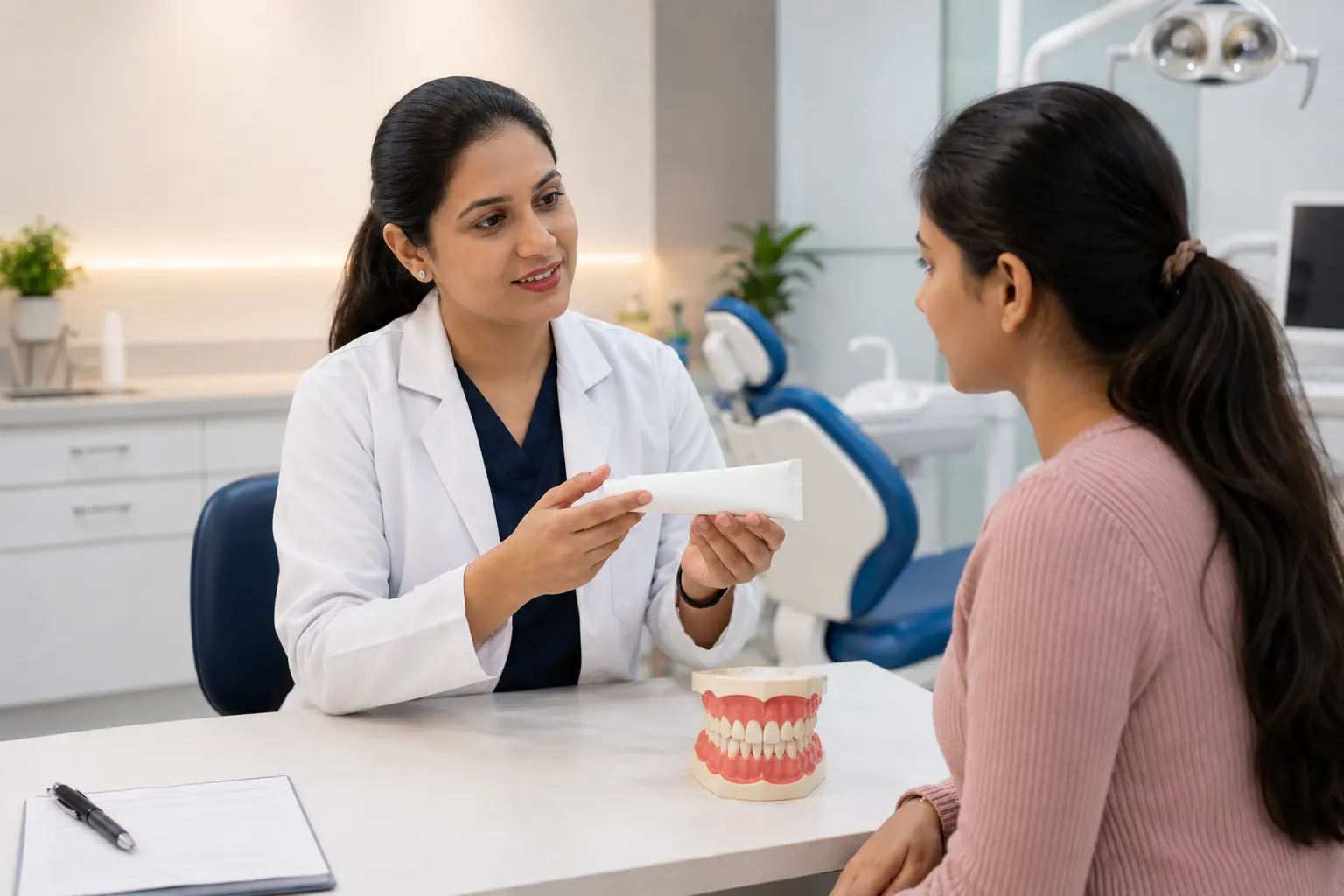
A dental assessment can help identify whether diet, oral hygiene, enamel wear or another factor is contributing to the problem.
WhatsApp UsWhen Should You See a Dentist?
Consider a dental assessment if you or your child develops tooth sensitivity, toothache, visible cavities, white or chalky enamel spots, repeated food trapping, chipped or weakened teeth, signs of enamel wear or frequent new cavities despite regular brushing.
These problems can have several causes, so diet should not automatically be blamed without an examination. A dentist can check the teeth and suggest practical changes based on individual risk.
Conclusion
These 4 everyday foods may be harming your teeth when they create repeated exposure to sugars, retained starches or dietary acids, but none needs to be automatically banned.
Dried fruit, crackers and chips, citrus foods, and sweetened cereals or snack bars can all fit into a balanced diet. The practical goal is simple: reduce constant grazing, choose water regularly, check added sugars and maintain effective fluoride-based oral hygiene.
References
- American Dental Association - Diet and Dental Health.
- American Dental Association - Dietary Acids and Your Teeth.
- American Dental Association - Healthy Snack Tips for Kids.
- American Dental Association - Water is the Best Beverage for Teeth.
- American Academy of Pediatric Dentistry - Dietary Recommendations for Infants, Children and Adolescents.
- American Academy of Pediatric Dentistry - Snacks and Beverages Sold in Schools.
Author / medical reviewer: Dr. Nikitaa Dhingra Sanan, BDS, MDS - Pediatric Dentist
Clinic: Little Bites Dental Clinic, Faridabad
Last medically reviewed: 22 August 2026
Medical disclaimer: This article provides general educational information and does not replace an individual dental examination, diagnosis or personalised treatment plan.