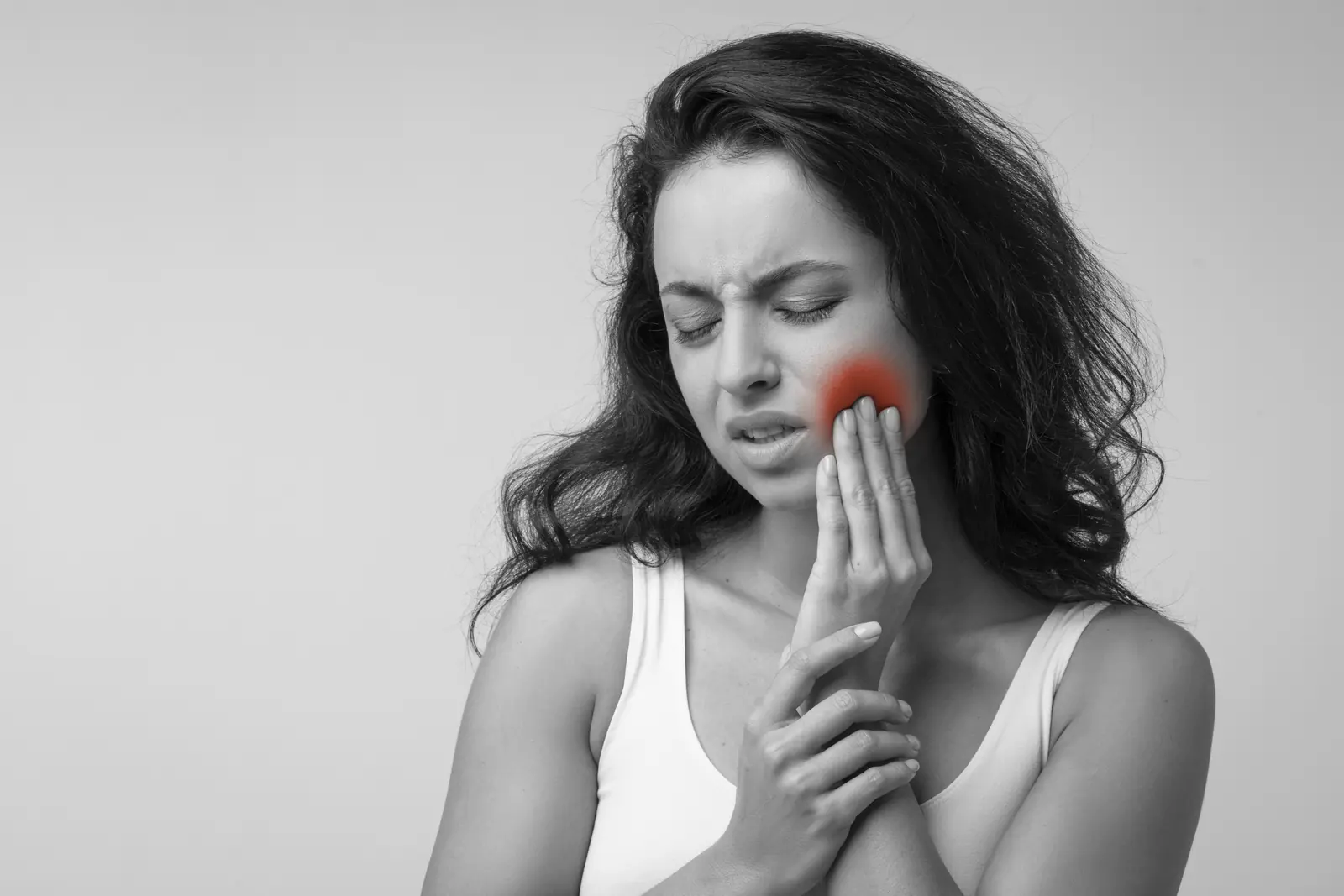
Tooth pain can strike suddenly and make even simple tasks like eating, sleeping, or talking feel unbearable. If you're searching for what helps unbearable tooth pain, you're likely looking for immediate relief while also trying to understand the underlying cause. Although some home remedies may temporarily ease discomfort, severe tooth pain often signals a dental problem that requires professional treatment.
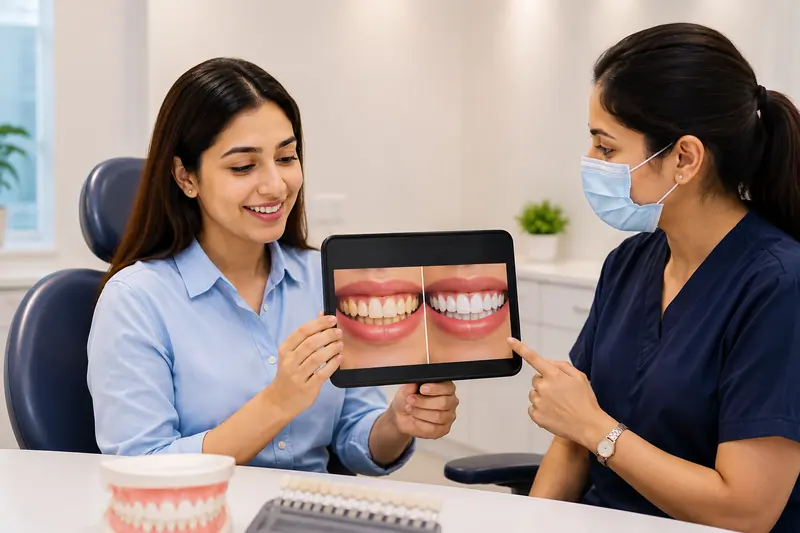
For patients in Faridabad and Delhi NCR, seeking timely dental care can help prevent complications and preserve oral health. At Little Bites Dental Clinic, our team focuses on identifying the root cause of tooth pain and providing safe, evidence-based treatment for children and adults.
Why Can Tooth Pain Become Unbearable?
The inside of every tooth contains nerves and blood vessels known as the dental pulp. When these tissues become irritated or infected, pain can range from mild sensitivity to intense, throbbing discomfort.
Common causes include:
- Deep tooth decay (cavities)
- Dental abscess or infection
- Cracked or broken teeth
- Gum disease
- Impacted wisdom teeth
- Exposed tooth roots
- Loose or damaged fillings
- Teeth grinding (bruxism)
- Trauma or injury to the mouth
Ignoring severe pain can allow the underlying issue to worsen, potentially leading to infection spread or tooth loss.
What Helps Unbearable Tooth Pain at Home?
If you're wondering what helps unbearable tooth pain, several measures may provide temporary relief until you can see a dentist.
Rinse with Warm Salt Water
Salt water helps clean the mouth and may reduce irritation around the affected area. Mix half a teaspoon of salt with one cup of warm water, then swish gently for 30 seconds before spitting it out.
Use a Cold Compress
If swelling is present, apply a cold pack wrapped in a cloth to the outside of the cheek for 15–20 minutes at a time. This may help reduce inflammation and temporarily numb pain.
Take Pain Relief Medication as Directed
Over-the-counter pain relievers may reduce discomfort when used according to the label or a healthcare professional's advice. Children should only receive medications that are appropriate for their age and weight, and caregivers should avoid giving medicines not recommended for pediatric use.
Keep the Area Clean
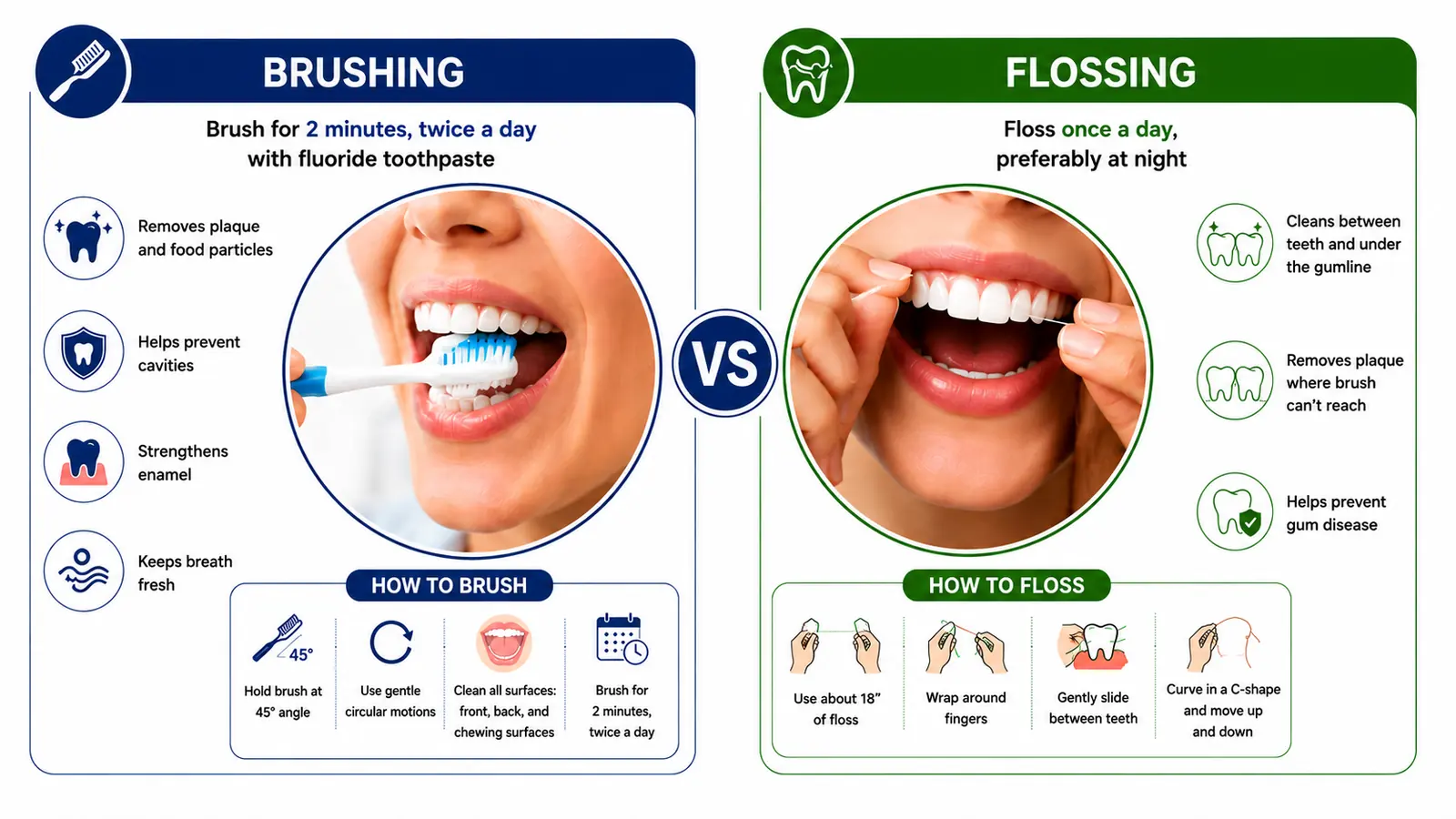
Food trapped around the painful tooth can worsen symptoms. Brush gently and floss carefully to remove debris without irritating the area further.
Elevate Your Head While Sleeping
Keeping your head slightly elevated may reduce pressure around inflamed tissues and make nighttime pain more manageable.
Experiencing severe tooth pain right now?
Contact our team at Little Bites Clinic, Sector 29, Faridabad — we provide prompt, compassionate dental care for children and adults.
WhatsApp UsWhat Should You Avoid When You Have Severe Tooth Pain?
Some commonly shared remedies can do more harm than good. Avoid the following:
- Placing aspirin directly on the gums
- Applying alcohol to the painful area
- Using sharp objects to poke around the tooth
- Delaying professional treatment because the pain temporarily improves
- Eating extremely hot, cold, sugary, or hard foods if they worsen symptoms
Pain relief measures do not eliminate the underlying dental problem.
When Does Tooth Pain Require Emergency Dental Care?
You should arrange urgent dental evaluation if tooth pain is accompanied by any of the following:
- Facial swelling — swelling around the jaw, cheek, or neck may indicate a spreading infection.
- Fever — a raised temperature alongside tooth pain often signals active infection.
- Difficulty swallowing or breathing — these symptoms require immediate medical attention.
- Pus or drainage around the tooth — a sign of abscess that needs prompt treatment.
- Severe pain lasting more than one or two days — persistent pain should never be ignored.
- Pain after dental trauma — any oral injury warrants professional evaluation as soon as possible.
These symptoms may indicate a serious infection requiring prompt treatment.
Can a Toothache Go Away on Its Own?
Sometimes pain temporarily subsides, but that does not necessarily mean the problem has resolved. For example, a dying tooth nerve may stop hurting even though infection continues, food debris may shift and temporarily reduce pressure, or pain medications may mask symptoms without treating the cause.
Persistent or recurrent pain should always be evaluated by a dentist.
What Dental Treatments Help Unbearable Tooth Pain?
The best treatment depends on the diagnosis.
Filling for Tooth Decay
If a cavity is caught early, removing the decay and placing a filling often relieves pain and restores function.
Root Canal Treatment
When infection reaches the dental pulp, root canal therapy can remove infected tissue while preserving the natural tooth.
Drainage of a Dental Abscess
An abscess may require drainage and other dental treatment to control the infection. In some cases, medications may also be prescribed when clinically appropriate.
Tooth Extraction
If a tooth cannot be saved, extraction may be recommended to eliminate pain and prevent further complications.
Treatment for Gum Disease
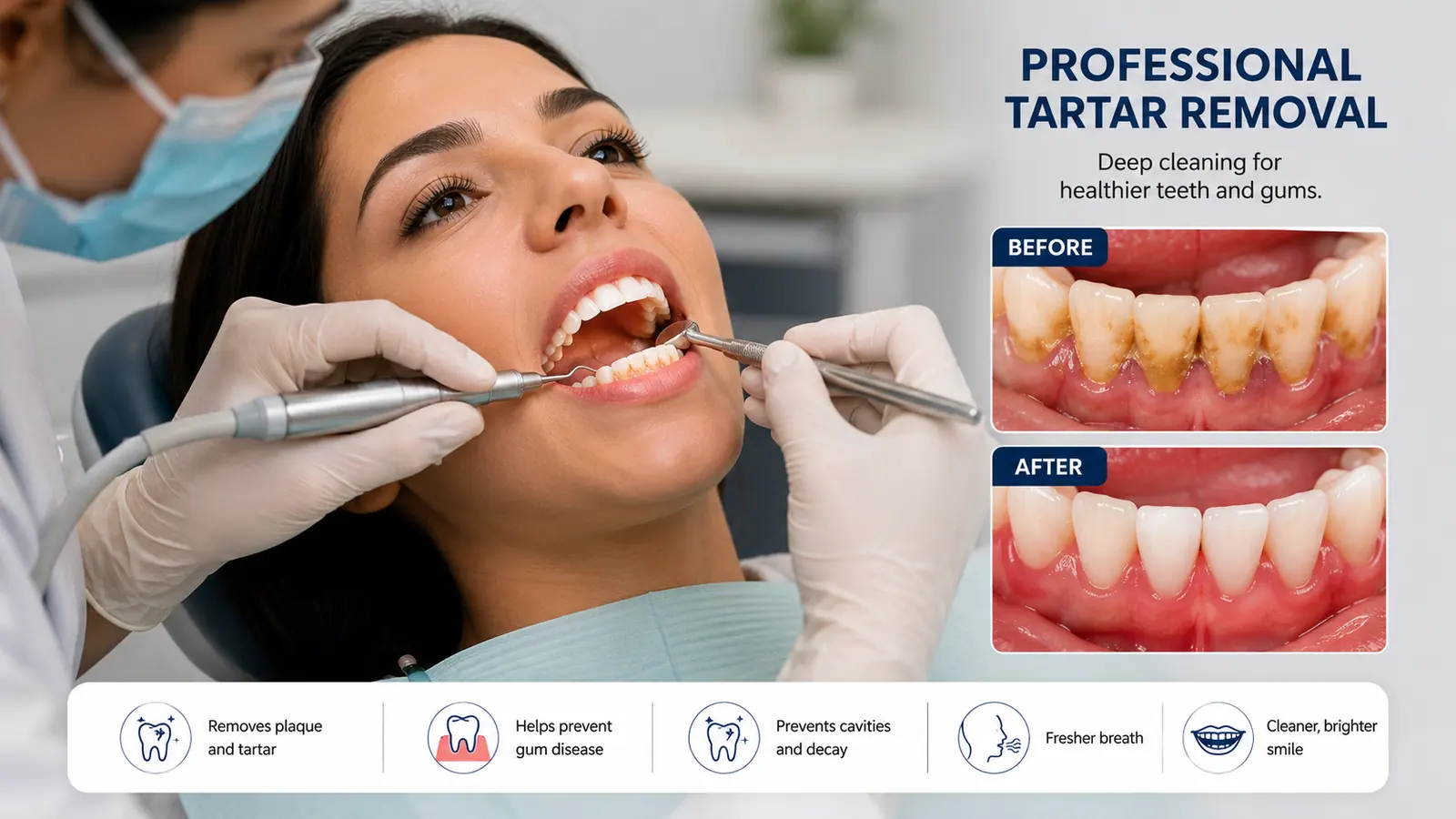
Cleaning below the gumline and improving oral hygiene can reduce inflammation and discomfort related to periodontal disease.
What Helps Unbearable Tooth Pain in Children?
Parents often worry when a child complains of severe tooth pain. Common causes include cavities, dental trauma, erupting teeth, or infections. Until your child is seen by a dentist:
- Encourage gentle brushing
- Rinse with warm salt water if age-appropriate
- Offer soft foods
- Avoid very hot or cold drinks if they trigger pain
- Use only age-appropriate pain relief as directed by a healthcare professional
Never place aspirin or numbing gels directly on a child's gums unless specifically advised by a qualified clinician. At Little Bites Dental Clinic, we emphasize child-friendly care and help families understand the safest treatment options for pediatric dental emergencies.
How Can You Prevent Severe Tooth Pain?
Many painful dental conditions are preventable with consistent care.
- Brush twice daily using fluoride toothpaste and brush for at least two minutes each time.
- Floss every day — cleaning between teeth removes plaque that brushing alone may miss.
- Limit sugary foods and drinks — frequent sugar exposure significantly increases the risk of tooth decay.
- Attend regular dental checkups — routine examinations allow dentists to identify small issues before they become painful emergencies.
- Wear protective gear during sports — a mouthguard can reduce the risk of dental injuries significantly.
- Address dental problems early — small cavities or chipped teeth are generally easier and less invasive to treat than advanced infections.
— Dr. Nikitaa Dhingra Sanan, Little Bites Dental Clinic, Faridabad
Conclusion
If you've been asking what helps unbearable tooth pain, the answer depends on the underlying cause. Temporary measures like salt water rinses, cold compresses, and appropriate pain relief may ease symptoms, but they cannot fix infections, cavities, or damaged teeth.
The safest approach is to seek prompt dental evaluation, especially if pain is severe or accompanied by swelling or fever. At Little Bites Dental Clinic in Faridabad, our team is committed to helping children and adults receive timely, compassionate care to relieve pain and protect their oral health.