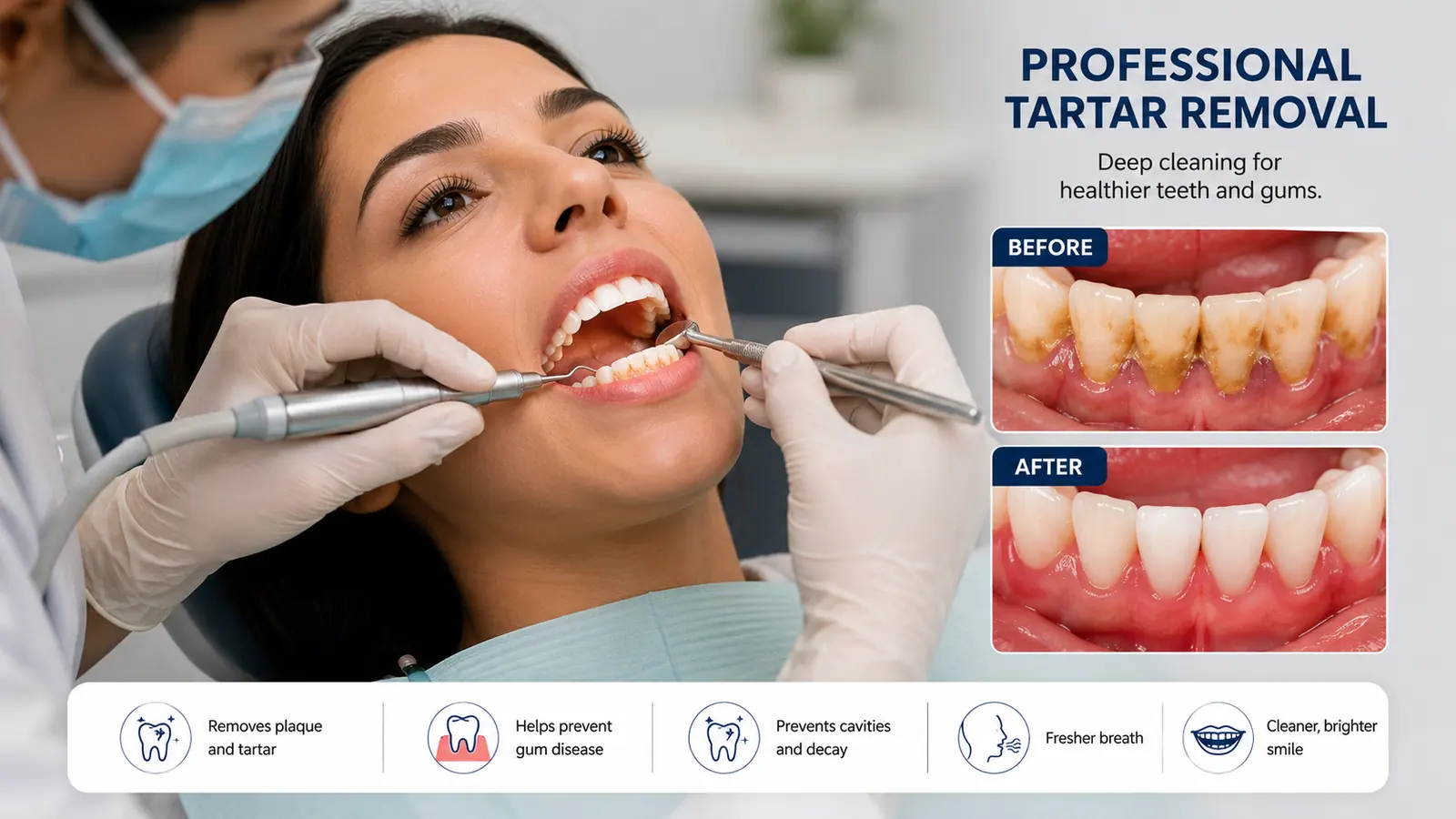
Deep cleaning root planing and scaling - more commonly called scaling and root planing (SRP) - is a nonsurgical treatment for periodontitis. It removes bacterial biofilm and hardened calculus from below the gumline and cleans root surfaces that brushing and routine cleaning cannot reach.
At Little Bites Dental Clinic in Faridabad, this treatment should follow a periodontal diagnosis. It should not be recommended only because gums bleed or tartar is visible.
What Is Deep Cleaning Root Planing and Scaling?
Scaling and root planing is professional cleaning below the gumline used to control periodontitis. The American Dental Association describes SRP as an initial nonsurgical treatment for periodontitis, while modern European guidance uses the broader term subgingival instrumentation for removing biofilm and calculus from affected root surfaces.
Scaling removes plaque and calculus above and below the gumline. Root planing or subgingival instrumentation cleans deposits from the root surface. Modern periodontal therapy focuses on effective debridement rather than unnecessarily removing healthy root structure.
| Routine dental cleaning | Scaling and root planing |
|---|---|
| Mainly preventive | Periodontal treatment |
| Cleans around teeth and the gumline | Reaches periodontal pockets and root surfaces |
| Often suitable without periodontitis-related attachment loss | Used when periodontitis requires subgingival treatment |
| Followed by routine recall | Requires reassessment and often periodontal maintenance |
Who Actually Needs Scaling and Root Planing?
Not everyone with bleeding gums needs a deep cleaning. Gingivitis can cause redness and bleeding without the attachment and bone loss that define periodontitis. The decision should follow a periodontal examination.
- Bleeding on probing and periodontal pocket depths.
- Clinical attachment loss.
- Dental X-rays when indicated to evaluate supporting bone.
- Plaque, calculus and tooth mobility.
- Risk factors such as tobacco use, diabetes control and home oral hygiene.
Current periodontal guidance recommends subgingival instrumentation for periodontitis followed by reassessment after healing. Treatment should therefore match the diagnosis rather than a single symptom or pocket measurement.
- Dr. Nikitaa Dhingra Sanan, Little Bites Dental Clinic, Faridabad
What Happens During a Deep Cleaning?
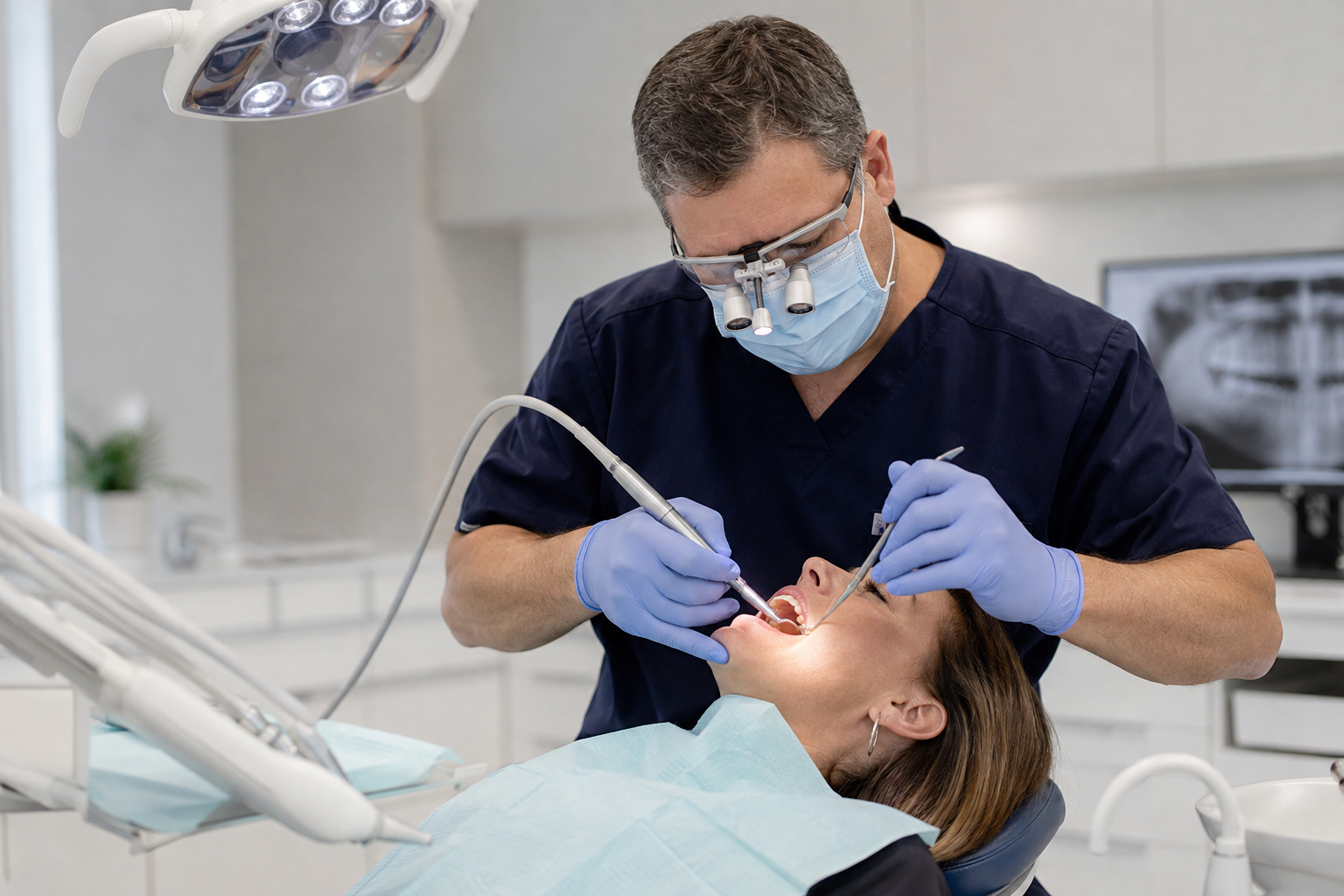
The clinician may use hand instruments, ultrasonic instruments, or both. Local anaesthetic can be used when deeper areas are sensitive.
- Periodontal assessment and relevant X-rays.
- Local anaesthetic where needed.
- Scaling above and below the gumline.
- Subgingival instrumentation or root planing.
- Personalised home-care instructions.
Treatment may be divided into sections of the mouth over more than one visit or completed in a shorter full-mouth sequence. The choice depends on the clinical situation.
Does Scaling and Root Planing Hurt?
Local anaesthetic can reduce discomfort during treatment. Afterward, gums may feel tender and teeth may be temporarily sensitive, particularly to cold. Mild bleeding can also occur for a short time.
Contact your dentist if you develop severe swelling, bleeding that does not settle, worsening pain, fever, or another symptom that seems unusual for your recovery. You may also find our tooth pain guide useful for understanding urgent dental symptoms.
What Should You Do After Deep Cleaning?
The goal after SRP is to keep plaque levels low while the gums heal. Common recommendations include:
- Brush twice daily with fluoride toothpaste.
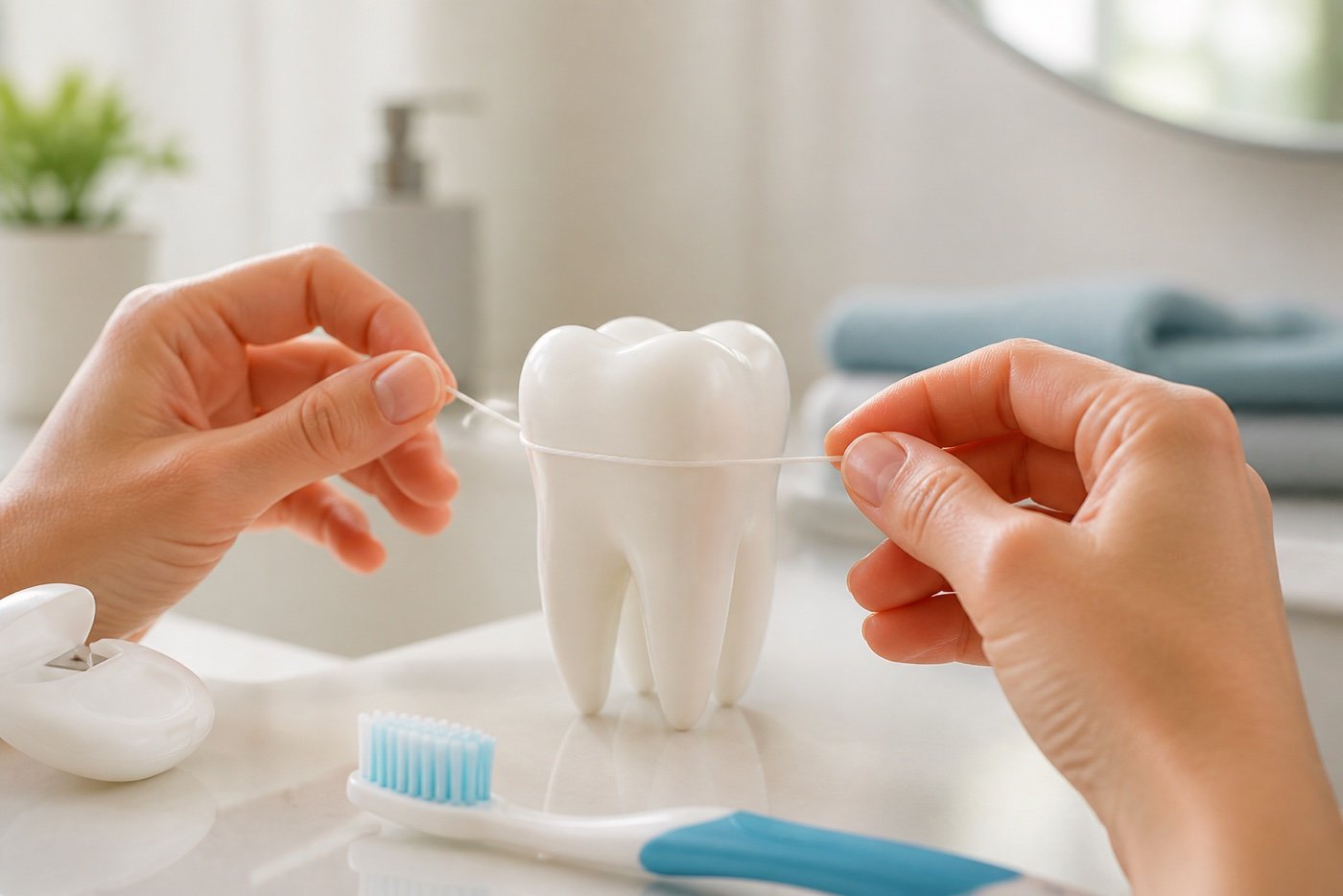
- Clean between the teeth every day.
- Avoid tobacco.
- Follow any sensitivity or eating advice given by your dentist.
- Attend the planned periodontal reassessment.
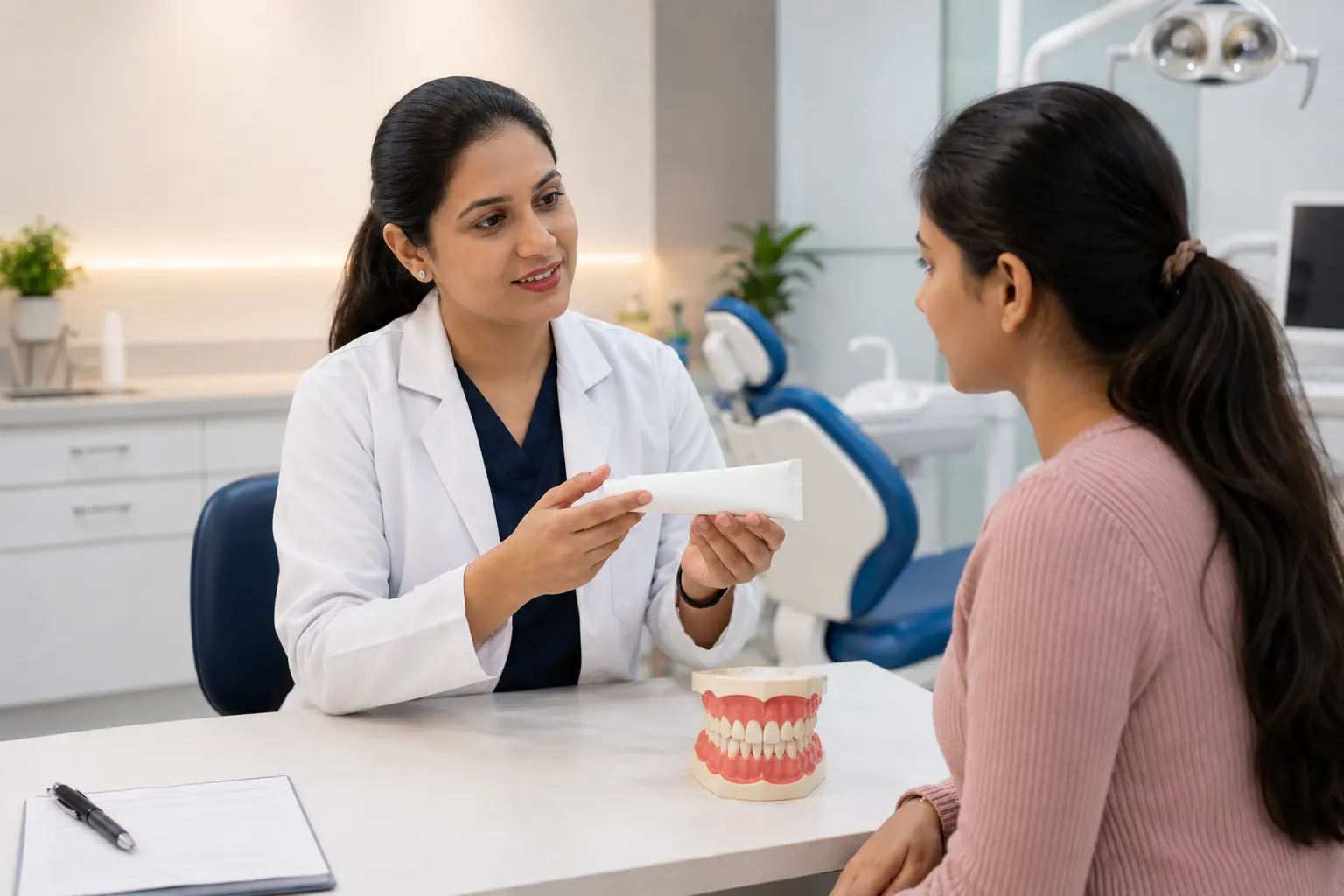
Good home plaque control is an essential part of periodontal treatment and long-term maintenance. A dentist-recommended toothpaste can support daily brushing when chosen for your specific needs.
Antibiotics are not an automatic part of every deep cleaning. SRP is primarily mechanical periodontal treatment. Antimicrobial or other adjunctive therapies may be considered in selected cases depending on the diagnosis, risk profile and expected clinical benefit.
Bleeding gums or deep periodontal pockets?
A periodontal assessment can clarify whether you need routine cleaning, scaling and root planing, maintenance care, or advanced gum treatment.
WhatsApp UsWhat Happens at the Periodontal Re-Evaluation?
Re-evaluation is a core part of periodontal treatment. After the tissues have had time to respond, the dentist checks bleeding, pocket depths, plaque control and areas that have not improved adequately.
If disease is controlled, the next step is supportive periodontal care. If bleeding or deep pockets persist, additional nonsurgical treatment or periodontal surgical assessment may be considered.
Will One Deep Cleaning Cure Gum Disease?
Scaling and root planing can control periodontal inflammation, but it does not make a patient permanently immune to periodontitis.
- Effective brushing and interdental cleaning.
- Control of relevant risk factors.
- Periodic professional assessment.
- Supportive periodontal maintenance.
Supportive periodontal visits are usually tailored to the individual patient's risk profile and periodontal condition after active treatment.
When Should You See a Dentist?
Arrange a periodontal assessment if you have persistent bleeding gums, swollen or tender gums, bad breath that does not improve, gum recession, loose teeth, changes in how your teeth meet, or a previous diagnosis of periodontal disease.
For patients looking for a dentist in Faridabad or Delhi NCR, an examination at Little Bites Dental Clinic can help determine whether the appropriate next step is routine cleaning, scaling and root planing, periodontal maintenance, or another approach.
Conclusion
Deep cleaning root planing and scaling is a diagnosis-led treatment for periodontitis, not simply a stronger version of a regular dental cleaning. It removes subgingival biofilm and calculus, helps control periodontal inflammation, and should be followed by reassessment and risk-based maintenance.
Whether you need SRP, routine cleaning or more advanced periodontal care depends on what the periodontal examination shows.
References
- American Dental Association / MouthHealthy - Scaling and Root Planing for Gum Disease.
- American Dental Association - Nonsurgical Treatment of Periodontitis Guideline.
- American Dental Association - Periodontitis clinical overview.
- European Federation of Periodontology - Stage I-III Periodontitis Clinical Practice Guideline.
- American Academy of Periodontology - Non-Surgical Treatments.
- Cleveland Clinic - Tooth Scaling and Root Planing.
Author / medical reviewer: Dr. Nikitaa Dhingra Sanan, BDS, MDS - Pediatric Dentist
Clinic: Little Bites Dental Clinic, Faridabad
Last medically reviewed: 26 August 2026
Medical disclaimer: This article provides general educational information and does not replace an individual dental examination, diagnosis or personalised treatment plan.