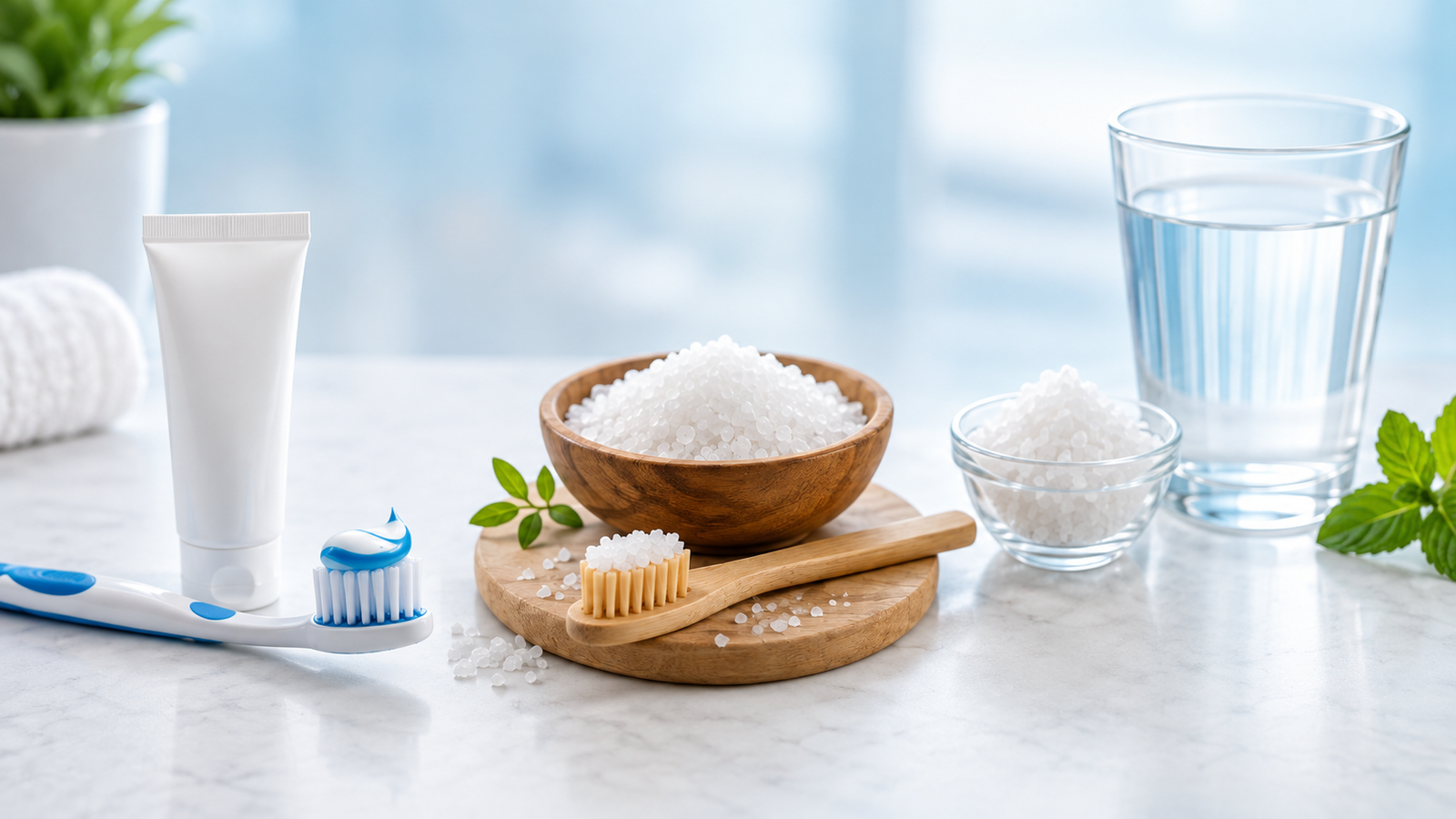
The benefits of brushing teeth with salt are limited, and plain salt should not replace fluoride toothpaste for daily oral care. Salt can create a temporary clean feeling and its coarse particles may help scrub away some surface debris, but there is no good evidence that brushing directly with household salt prevents cavities better than fluoride toothpaste. Frequent or aggressive salt scrubbing may also be unnecessarily abrasive.
At Little Bites Dental Clinic in Faridabad, the practical advice is simple: use a soft toothbrush and fluoride toothpaste for routine brushing. Salt-water rinsing is a separate practice and may have short-term uses in selected situations.
What Are the Benefits of Brushing Teeth With Salt?
There are few proven benefits of brushing directly with plain salt. Most of the cleaning comes from the toothbrush itself rather than from salt having a special cavity-fighting effect.
Possible effects include:
- Helping dislodge some loose food or surface debris.
- Temporarily making the mouth feel cleaner.
- Providing some abrasive action against superficial staining.
However, these possible effects should not be confused with preventing tooth decay, treating gum disease or removing tartar. The American Dental Association recommends brushing for two minutes twice daily with fluoride toothpaste, while WHO also identifies twice-daily brushing with fluoride toothpaste as a core measure for preventing dental caries.
Does Salt Kill Bacteria in the Mouth?
Salt can affect microorganisms under certain conditions, but saying that brushing with salt kills harmful mouth bacteria is too simplistic.
Your mouth contains a complex biofilm made up of many microorganisms. Daily plaque control depends mainly on mechanically disrupting that biofilm with effective brushing and interdental cleaning.
Some research has investigated sodium chloride in mouth rinses or specially formulated toothpastes. That research should not be interpreted as proof that rubbing kitchen salt directly onto teeth provides the same effect.
Is Brushing Teeth With Salt Better Than Toothpaste?
No. Plain salt is not a better substitute for a properly formulated fluoride toothpaste.
Fluoride toothpaste provides an important benefit that salt does not reliably provide: fluoride helps strengthen enamel, reduce demineralisation and support remineralisation of early carious lesions.
| Option | What it may do | Main limitation |
|---|---|---|
| Plain salt on a toothbrush | Mechanical scrubbing; temporary clean feeling | No reliable fluoride protection; may be unnecessarily abrasive |
| Fluoride toothpaste | Removes plaque while delivering anticaries fluoride | Must be used correctly and regularly |
| Salt-water rinse | May provide short-term soothing or postoperative support | Does not replace brushing or interdental cleaning |
| Therapeutic mouthwash | May target specific problems depending on ingredients | Should complement, not replace, toothbrushing |
For everyday oral hygiene, fluoride toothpaste has far stronger evidence behind it than plain household salt.
Can Brushing With Salt Damage Teeth?
Repeated vigorous brushing with coarse salt may increase unnecessary abrasive exposure, particularly around exposed root surfaces or sensitive areas.
Toothpaste contains carefully selected abrasive ingredients designed to help remove plaque and stains while remaining within safety standards. Household salt is not formulated or tested as a dentifrice in the same way.
Using excessive pressure can itself contribute to tooth and gum problems, which is another reason dental guidance usually recommends a soft-bristled toothbrush and gentle brushing technique. If brushing feels harsh or painful, stop and ask your dentist for a safer routine.
Does Brushing With Salt Whiten Teeth?
Salt may scrub away some superficial deposits, but it does not bleach the natural colour of teeth.
True tooth whitening uses agents designed to change tooth colour. Scrubbing harder with salt is not a substitute for professional cleaning or evidence-based whitening.
Dark or yellow-looking teeth can also result from tartar, tooth decay, enamel wear, intrinsic discoloration, old restorations or dental trauma. Trying to scrub these changes away with salt may delay the correct diagnosis.
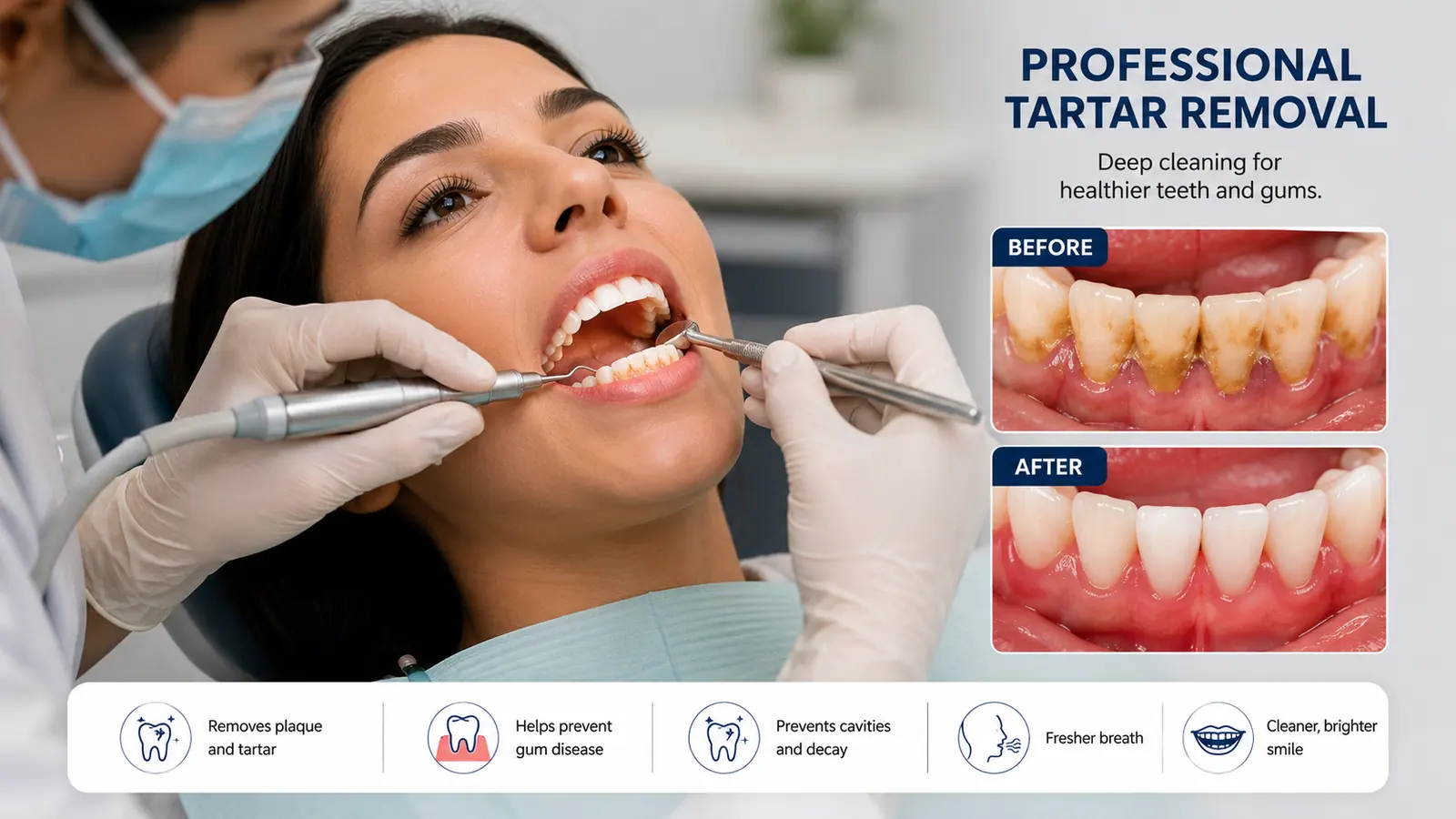
If staining does not improve with normal brushing, professional teeth cleaning or a dental examination is more appropriate than increasing abrasiveness at home.
Is Salt Good for Gum Problems?
Brushing the gums with dry salt is not a treatment for gingivitis or periodontitis.
Bleeding gums commonly need better plaque removal and, depending on the diagnosis, professional periodontal care. Hardened tartar cannot be removed by salt, mouthwash or regular brushing.
Salt-water rinsing is different. Research has found that saline mouth rinses can have a supportive role in certain postoperative periodontal situations, but this does not establish salt water as a general cure for gum disease.
- Dr. Nikitaa Dhingra Sanan, Little Bites Dental Clinic, Faridabad
Salt Brushing vs Salt-Water Rinse: What Is the Difference?
Brushing Directly With Salt
This means placing salt crystals or a salt paste on a toothbrush and scrubbing the teeth. There is no established advantage that makes this preferable to fluoride toothpaste for routine cavity prevention.
Rinsing With Salt Water
This involves dissolving salt in water and gently rinsing the mouth.
Dentists may recommend a salt-water rinse for short periods after certain dental procedures or when soft tissues are healing. It is supportive care, not a replacement for toothpaste, flossing, professional cleaning, fillings or gum treatment.
Confused about home remedies?
If you are using salt because of bleeding gums, tooth sensitivity, bad breath or toothache, a diagnosis is more useful than repeatedly treating the symptom at home.
WhatsApp UsCan Children Brush Their Teeth With Salt?
Children should not use plain salt instead of fluoride toothpaste.
The American Academy of Pediatric Dentistry recommends brushing children's teeth twice daily using an age-appropriate amount of fluoride toothpaste. General guidance includes:
- Under age 3: use a smear or rice-grain-sized amount of fluoride toothpaste.
- Age 3 to 6: use approximately a pea-sized amount.
- Parents should supervise brushing and help younger children.
A child who cannot reliably rinse and spit should also not be given homemade mouth rinses to use independently. For child-specific guidance, see our pediatric dentistry guide and first-visit advice.
What Should You Use Instead of Salt for Daily Brushing?
For most adults and children, a better evidence-based daily routine is:
- Brush twice a day for about two minutes.
- Use a fluoride toothpaste appropriate for the individual.
- Use a soft-bristled toothbrush.
- Clean between teeth daily using floss or another suitable interdental cleaner.
- Limit frequent sugary foods and drinks.
- Attend dental examinations according to individual risk.
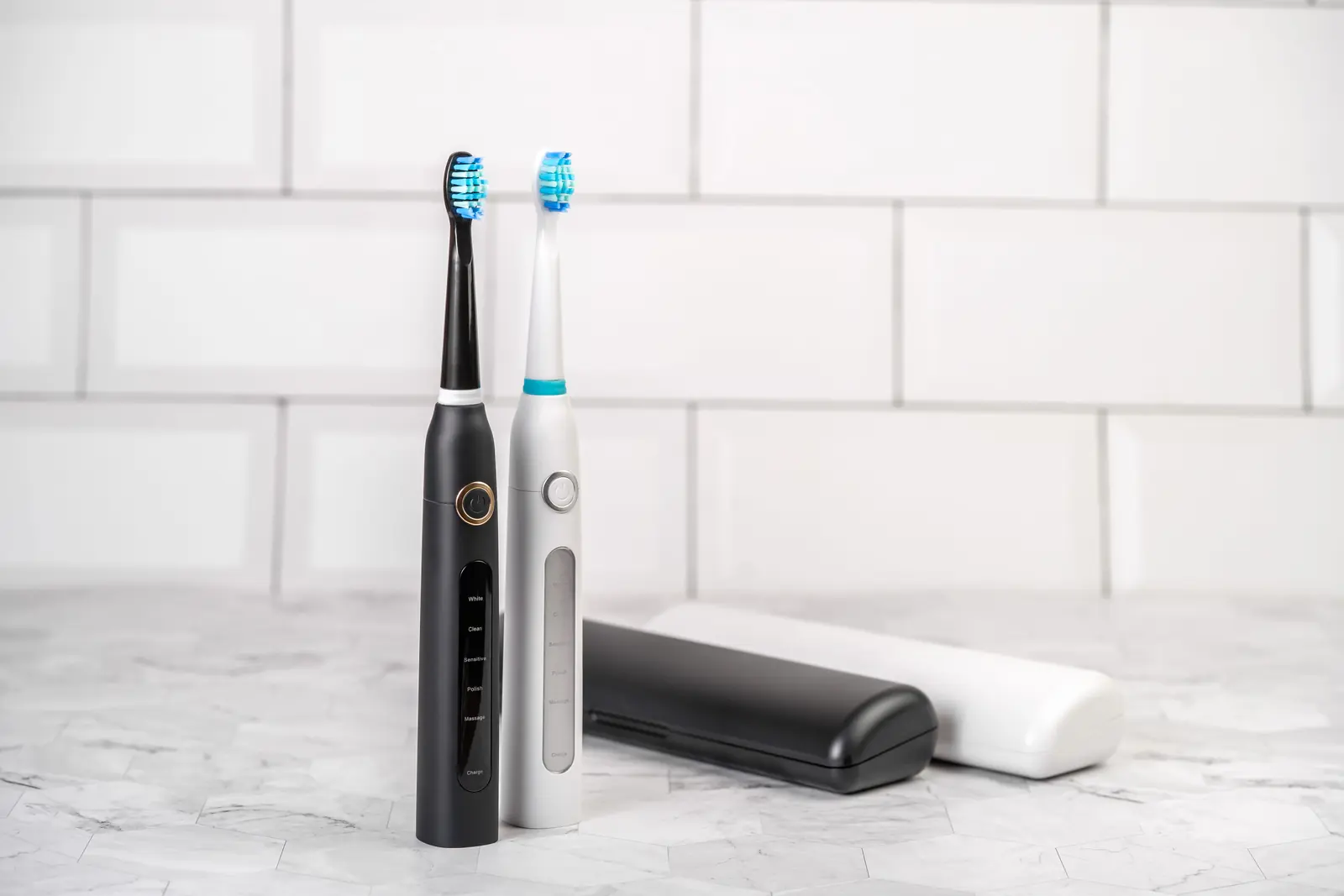
An electric toothbrush may also help some patients brush more consistently, but technique and fluoride exposure still matter.
When Should You See a Dentist Instead of Trying Salt?
Salt should not be used to delay an examination when there is a dental problem. Arrange a dental assessment if you have persistent toothache, sensitivity that keeps returning, swollen or bleeding gums, facial or gum swelling, pus or a bad taste, loose teeth, a visible cavity, persistent bad breath or a mouth ulcer that does not heal.
A home remedy may temporarily change how an area feels without treating the underlying cause. Read our tooth pain guide if symptoms feel urgent.
For patients in Faridabad and Delhi NCR, an examination at Little Bites Dental Clinic can help identify whether symptoms are related to decay, gum inflammation, tartar, sensitivity or another dental condition before treatment is recommended.
Conclusion
The benefits of brushing teeth with salt are much more limited than many home-remedy claims suggest. Salt may provide some mechanical cleaning and a temporary fresh feeling, but plain salt does not replace the well-established cavity protection provided by fluoride toothpaste.
It is also important to separate brushing with salt from rinsing with salt water. A mild salt-water rinse may have a short-term supportive role in selected situations, particularly when recommended after dental treatment, but neither approach cures cavities, removes tartar or replaces professional dental care.
References
- American Dental Association / MouthHealthy - Brushing Your Teeth.
- American Dental Association - Toothpastes.
- American Dental Association - Fluoride.
- World Health Organization - Fluoride toothpaste briefing.
- American Academy of Pediatric Dentistry - Fluoride Therapy.
- PubMed - Sodium chloride toothpaste antimicrobial research.
- PubMed - Salt-water rinse following periodontal surgery.
Author / medical reviewer: Dr. Nikitaa Dhingra Sanan, BDS, MDS - Pediatric Dentist
Clinic: Little Bites Dental Clinic, Faridabad
Last medically reviewed: 31 August 2026
Medical disclaimer: This article provides general educational information and does not replace an individual dental examination, diagnosis or personalised treatment plan.