If you need a tooth extraction, the first question should not simply be, “How do I get it removed?” It should be, “Does this tooth really need to be removed, or can it be saved?” Dentists generally try to preserve natural teeth whenever they can, but extraction may be necessary when a tooth is severely damaged, infected, fractured, impacted or no longer predictable to restore.
At Little Bites Dental Clinic in Faridabad, the decision should be based on an examination, dental X-rays when indicated, the condition of the tooth and your overall treatment goals. This guide explains what to expect before, during and after tooth removal.
What Is a Tooth Extraction?
A tooth extraction is a dental procedure in which a dentist removes a tooth from its socket in the jawbone. It can involve one tooth or several teeth.
Simple extraction
A simple extraction is used when the tooth is visible and accessible. The dentist numbs the area, loosens the tooth and removes it with appropriate instruments.
Surgical extraction
A surgical extraction is used when a tooth is broken below the gum line, difficult to access or impacted. The dentist may need to make a small gum incision, remove a limited amount of surrounding bone or divide the tooth into sections before removal.
Why Might a Tooth Need to Be Removed?
Extraction may be considered when a tooth has:
- Severe decay that cannot be predictably restored
- A fracture extending into a part of the tooth that cannot be repaired
- Advanced gum disease with significant loss of supporting tissues
- An impacted tooth causing problems
- Severe infection or an abscess when the tooth cannot be saved
- Significant trauma
- Crowding in selected treatment plans
Pain alone does not automatically mean that a tooth should be extracted. Some painful or infected teeth can be treated with root canal treatment and appropriate restoration.
Can a Tooth Be Saved Instead?
Sometimes, yes. Depending on the diagnosis, alternatives may include:
- Filling or other restorative treatment
- Root canal treatment or retreatment
- Treatment of a crack or fracture when feasible
- A dental crown after appropriate tooth restoration
If your dentist recommends extraction, it is reasonable to ask: “Is this tooth restorable, and is root canal treatment an option?” If the tooth genuinely cannot be saved, extraction may be the more appropriate treatment.
What Happens During a Tooth Extraction?
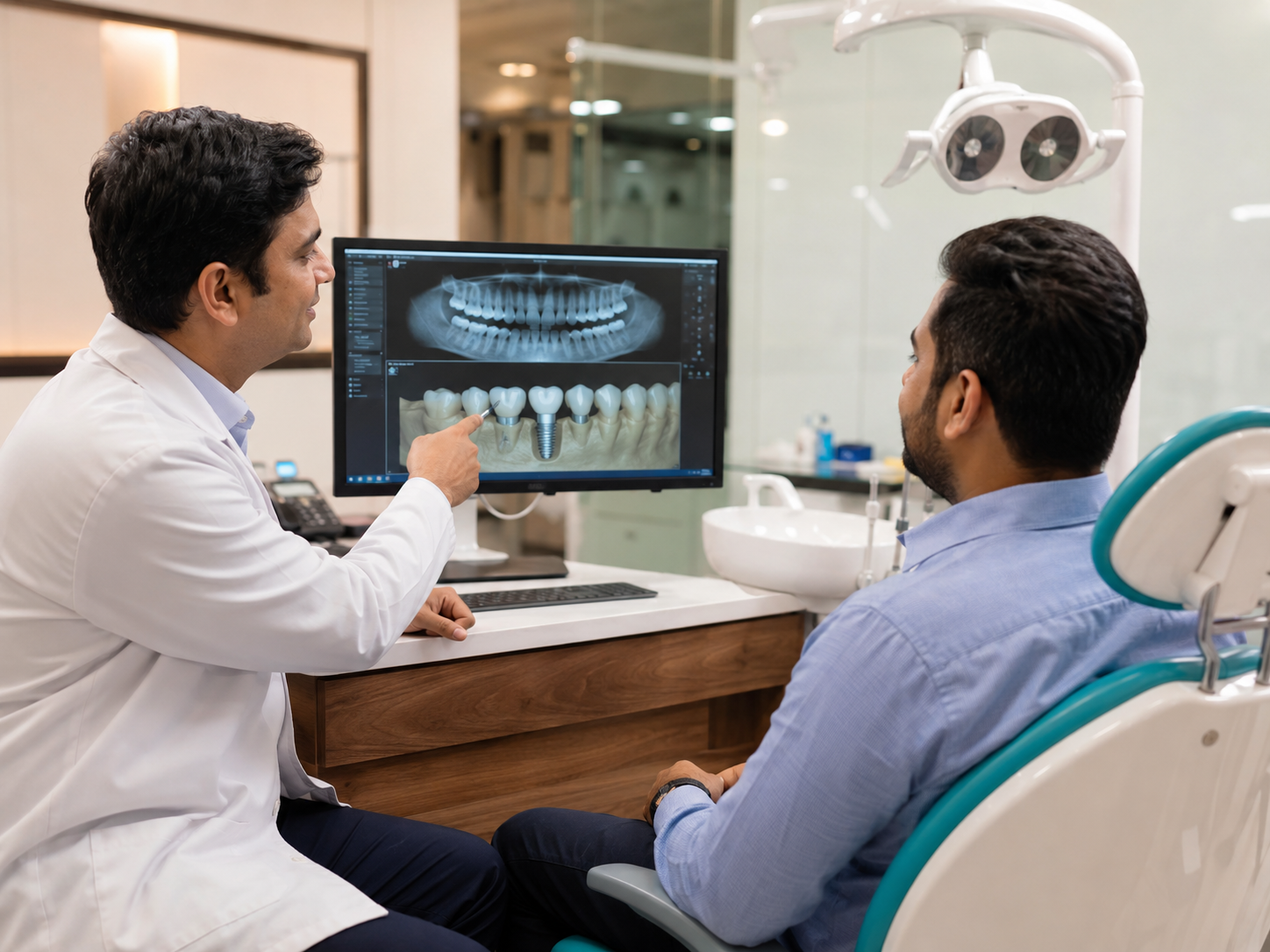
Before extraction, your dentist reviews your symptoms, medical history and medications and examines the tooth. An X-ray may be recommended when it will help assess the roots, surrounding bone or tooth position.
- Numbing: The area is numbed with local anaesthetic.
- Loosening: The tooth is carefully loosened.
- Removal: The tooth is removed from its socket.
- Cleaning: The socket is cleaned as appropriate.
- Gauze: Gauze is placed so you can apply pressure and help a blood clot form.
- Sutures: Stitches may be placed when needed.
For a surgical extraction, additional steps may be required, such as making a small gum incision or sectioning the tooth.
Will Tooth Extraction Hurt?
During extraction, local anaesthesia is used to numb the treatment area. You may feel pressure or movement, but you should not normally experience sharp pain from the extraction itself. After the anaesthetic wears off, some soreness and swelling are expected.
Your dentist can recommend an appropriate pain-management plan based on your age, medical history, other medicines and the type of extraction. Do not start, stop or combine pain medicines without considering your own medical circumstances and your dentist’s or doctor’s advice.
What Should You Tell Your Dentist Before Extraction?
Tell your dentist about:
- Prescription and over-the-counter medicines
- Blood-thinning medicines and allergies
- Previous reactions to anaesthesia or medicines
- Major medical conditions or previous surgeries
- Pregnancy, when applicable
- Any history of problems with bleeding or healing
Do not stop prescribed medication on your own simply because you are having a dental extraction.
What Should You Do After Tooth Extraction?
The first few hours are important because a blood clot develops in the extraction socket and supports healing. Your dentist may advise you to:
- Bite gently but firmly on gauze for the recommended period
- Rest and avoid strenuous activity initially
- Use a cold compress externally if recommended for swelling
- Choose soft foods and chew away from the extraction site
- Avoid smoking, tobacco, straws and strong suction
- Avoid touching the socket with your tongue or fingers
- Follow your dentist’s instructions about brushing and rinsing
Your own dentist’s written aftercare instructions should take priority because recovery recommendations can vary according to the procedure.
How Long Does Tooth Extraction Take to Heal?
An extraction socket commonly takes about 1–2 weeks to heal, although bone and deeper tissues can take longer. Swelling may be most noticeable during the first couple of days.
- First day: Blood clot formation and initial bleeding control
- First few days: Soreness and swelling may occur
- About 1–2 weeks: The gum and socket commonly show substantial healing
- Following weeks: Deeper bone and tissue remodelling continues
What Is Dry Socket?
Dry socket, or alveolar osteitis, occurs when the protective blood clot is lost or displaced from the extraction socket. It can cause significant pain, often developing a few days after extraction rather than immediately.
Contact your dentist if pain becomes significantly worse after initially improving, increases several days after extraction, is accompanied by a bad taste or unpleasant breath, or is not controlled by the recommended medication. Smoking increases the risk of healing problems.
What Are the Risks of Tooth Extraction?
Tooth extraction is commonly performed, but it is not completely risk-free. Possible complications include:
- Bleeding, infection, swelling or bruising
- Dry socket or delayed healing
- Damage to nearby structures or teeth
- Nerve-related symptoms in selected cases
- Fracture of surrounding bone or tooth-related structures in complex cases
When Should You Contact a Dentist After Extraction?
Contact your dentist if you experience persistent or excessive bleeding, severe or worsening pain, significant swelling, fever or chills, pus or other signs of infection, or new symptoms that concern you. Difficulty breathing or severe difficulty swallowing requires urgent medical attention.
How Much Does Tooth Extraction Cost in Faridabad?
There is no single tooth extraction price that applies to every patient. The final cost can vary according to whether the extraction is simple or surgical, which tooth is being removed, root shape and tooth position, whether the tooth is impacted, whether imaging is required, the complexity of the procedure, whether sedation is appropriate and whether additional treatment is required afterward.
At Little Bites Dental Clinic, an examination can help determine what type of extraction, if any, is appropriate and what additional treatment may be required.
What Happens After the Tooth Is Removed?
If a permanent tooth is extracted, discuss whether the missing tooth should be replaced. Depending on the location of the tooth and your oral health, options may include:
- Dental implant and crown
- Dental bridge
- Removable partial denture
- Observation in selected cases, depending on the tooth and treatment plan
Leaving a missing tooth untreated can affect chewing and may allow neighbouring teeth to shift.
Frequently Asked Questions About Tooth Extraction
Is tooth extraction always necessary for an infected tooth?
No. Some infected teeth can be treated with root canal treatment and then restored. Extraction may be necessary when the tooth cannot be predictably restored or saved.
How long does a tooth extraction take?
A straightforward extraction may be relatively quick, while surgical or multiple extractions can take longer. Cleveland Clinic notes that removing one tooth commonly takes around 30–60 minutes, although the actual time varies with complexity.
Can I eat normally after tooth extraction?
Usually, you should start with softer foods and avoid chewing directly over the extraction site. Hard or crunchy foods may irritate the healing area during early recovery.
Do all wisdom teeth need to be removed?
No. Removal depends on factors such as impaction, infection, damage to neighbouring teeth, symptoms and the individual’s clinical situation.
Should I replace a missing tooth after extraction?
Often, replacement should at least be discussed. Implants, bridges and removable partial dentures may be suitable depending on the tooth, surrounding tissues and overall treatment plan.
Conclusion
A tooth extraction can be the right treatment, but it should not automatically be the first choice simply because a tooth hurts. The key question is whether the tooth can be predictably saved and, if it cannot, what should happen after removal.
If you have persistent tooth pain, swelling, a broken tooth or have already been advised to undergo extraction, consider a dental examination before making the decision.
References
- Cleveland Clinic - Tooth Extraction: Surgery & Healing.
- MedlinePlus - Tooth extraction.
- American Association of Endodontists - Root Canal vs Extraction.
- American Dental Association, MouthHealthy - Dental emergencies.
Author / Medical Reviewer: Dr. Nikitaa Dhingra Sanan
Clinic: Little Bites Dental Clinic, Faridabad
Medical disclaimer: This article provides general educational information and does not replace an individual dental examination, diagnosis or personalised treatment plan.