Experiencing severe tooth pain a few days after an extraction? It could be a sign of dry socket.
Dry socket, also called alveolar osteitis, develops when the blood clot at an extraction site is lost, breaks down or fails to form properly. This exposes the underlying bone and can cause intense, persistent pain. Knowing the symptoms, causes and treatment options can help you recognise the problem and seek timely dental care.
What Is Dry Socket After Tooth Extraction?
Dry socket is a condition in which the protective blood clot inside an extraction site is lost or does not develop properly.
After a tooth is removed, a blood clot normally forms in the empty socket. It protects the underlying bone and nerve endings while new tissue develops.
If this clot breaks down or becomes dislodged too early, the bone underneath may become exposed. Food particles and other debris can collect in the area, making it painful.
Dry socket is more commonly associated with wisdom tooth removal, particularly lower wisdom teeth, although it can occur after other extractions too.
What Are the Common Symptoms of Dry Socket?
The most noticeable symptom of dry socket is pain that becomes worse instead of gradually improving after tooth removal.
Common signs include:
- Severe, throbbing pain: Pain may begin or increase 1–3 days after extraction.
- Pain spreading to the ear or temple: Discomfort may travel towards the ear, eye, neck or side of the face.
- An empty-looking socket: The normal blood clot may be missing.
- Visible bone: A whitish area may be exposed bone rather than a blood clot.
- Bad breath: An unpleasant smell may develop around the extraction site.
- Bad taste: Food debris and material collecting in the socket can cause an unpleasant taste.
Not everyone experiences every symptom. If your pain becomes stronger a few days after extraction, contact your dentist rather than trying to diagnose the condition yourself.
What Does Dry Socket Look Like?
A normal extraction socket usually contains a dark red or brown blood clot during the early healing period. As healing progresses, the appearance changes as new tissue develops.
A dry socket may look like an empty hole with a missing blood clot. In some cases, a whitish or greyish area of exposed bone may be visible.
However, the appearance of an extraction site alone cannot confirm dry socket. Healing tissue can also look white or yellowish, and this does not automatically mean that something is wrong.
Avoid touching the socket, removing the clot or using objects to check whether bone is exposed.
A dental examination is the safest way to identify the problem.
Dry Socket vs Normal Healing: How Can You Tell the Difference?
Some pain and swelling are expected after a tooth extraction. The important difference is how your symptoms change over time.
| Normal healing | Possible dry socket |
|---|---|
| Pain gradually improves | Pain becomes worse after a few days |
| Discomfort is usually manageable | Pain may be severe and throbbing |
| Blood clot is present initially | Blood clot may be missing |
| No persistent foul smell in most cases | Bad breath or unpleasant taste may occur |
| Swelling gradually settles | Pain may continue or increase |
Remember that every extraction heals differently. A difficult surgical extraction may cause more initial discomfort than a simple extraction.
If pain starts increasing instead of settling, arrange a dental check-up.
What Causes Dry Socket?
Dry socket develops when the protective blood clot is lost, breaks down or fails to form properly.
Several factors may increase the risk:
1. Smoking and tobacco use
Smoking can interfere with healing. The sucking action may also disturb the blood clot.
2. Difficult tooth extraction
Surgical removal of impacted wisdom teeth or a complicated extraction may increase the risk.
3. Vigorous rinsing or spitting
Forceful rinsing and spitting soon after extraction can disturb the developing clot.
4. Using a straw
The suction created while drinking through a straw may affect the clot, particularly during the early healing period.
5. Hormonal factors
Estrogen-containing oral contraceptives have been associated with a higher risk of dry socket.
6. Existing oral infection or poor oral hygiene
Infection and poor oral health around the extraction site may contribute to healing problems.
Not everyone with these risk factors develops dry socket. Following your dentist's aftercare instructions remains important.
How Do Dentists Treat Dry Socket?
Dry socket treatment mainly focuses on reducing pain, keeping the extraction site clean and allowing the socket to heal.
Your dentist may recommend the following steps:
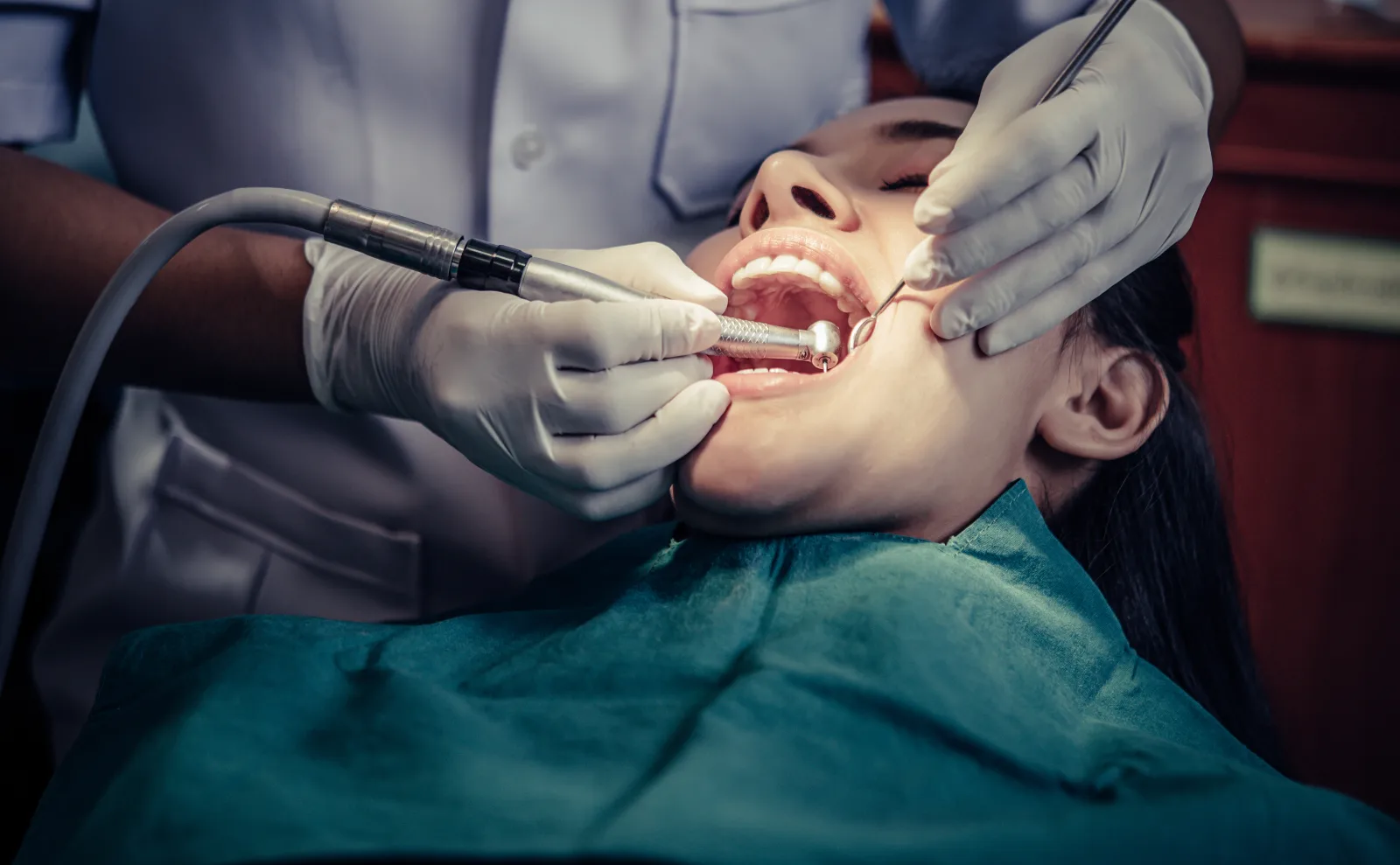
1. Examination of the extraction site
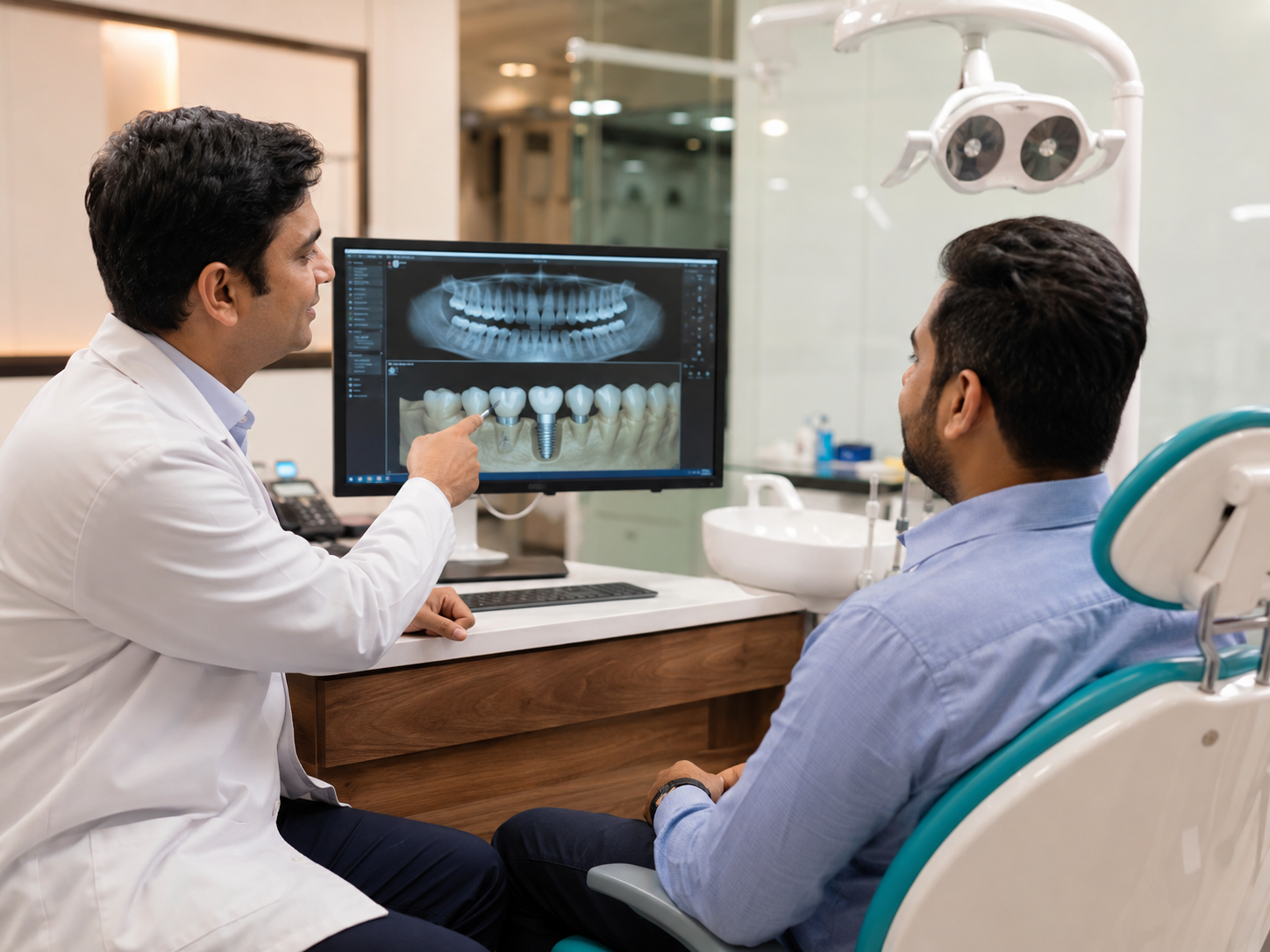
The dentist checks the socket, blood clot and surrounding tissues. X-rays may be recommended if a retained tooth fragment, root piece or another problem needs to be ruled out.
2. Gentle cleaning of the socket
The dentist may gently flush the socket with an appropriate solution to remove trapped food particles and debris.
3. Medicated dressing or dry socket paste
A dentist may place a medicated dressing or paste inside the socket. These dressings can help protect the exposed area and provide pain relief.
4. Pain management
Your dentist may recommend suitable pain-relieving medication based on your symptoms and medical history.
5. Follow-up appointments
Some patients need the dressing replaced if pain continues. Your dentist will decide how often the area needs to be checked.
Treatment helps manage discomfort while the socket heals naturally. It does not necessarily make the underlying healing process happen immediately.
What Is Dry Socket Paste and Is It Safe?
Dry socket paste is a medicated material that a dentist may place inside an affected extraction socket.
Depending on the product, it may contain ingredients such as eugenol, which has soothing and pain-relieving properties.
The dressing acts as a protective covering over the sensitive area and can reduce discomfort.
However, dry socket paste should not be purchased and placed inside the socket without professional guidance. Incorrect placement or unsuitable materials may irritate the area or interfere with healing.
Can Dry Socket Heal on Its Own?
Yes, dry socket usually heals as new tissue gradually covers the exposed bone. Recovery commonly takes around 7–10 days, although the duration can vary.
However, waiting without dental assessment may mean dealing with unnecessary pain.
Professional cleaning and a medicated dressing can provide relief while healing continues.
Follow-up may also be required if symptoms persist.
How Can You Prevent Dry Socket After Tooth Extraction?
You can reduce the risk of dry socket by protecting the blood clot during the early healing period.
Follow these precautions:
- Avoid smoking and tobacco products during recovery.
- Do not use a straw in the early healing period.
- Avoid vigorous rinsing and forceful spitting.
- Eat soft foods initially and avoid chewing directly over the extraction site.
- Follow your dentist's instructions about salt-water rinses.
- Brush your other teeth gently without disturbing the extraction site.
- Attend follow-up appointments if recommended.
Do not stop prescribed medication or change your aftercare routine without discussing it with your dentist.
Is Dry Socket Dangerous? When Should You See a Dentist?
Dry socket is generally not a life-threatening condition, but it can cause considerable pain and delay healing.
Contact your dentist promptly if you experience:
- Increasing pain after the first few days.
- Severe pain that does not improve with recommended medication.
- Pain spreading towards your ear or temple.
- Persistent bad breath or an unpleasant taste.
- An empty-looking extraction socket with possible exposed bone.
A high fever, pus, rapidly increasing facial swelling or difficulty swallowing or breathing may indicate a more serious infection or complication. Seek urgent medical or dental care in these situations.
If you have recently undergone tooth extraction and notice these symptoms, a dental examination can help identify the cause and determine the right treatment.
Conclusion
Dry Socket Symptoms: How to Recognise and Treat It is important information for anyone recovering from tooth extraction. Increasing pain, an empty-looking socket, bad breath and an unpleasant taste may indicate dry socket.
Although it usually heals with time, professional dental care can help manage pain and support recovery. Do not attempt to clean or pack the socket yourself.
For patients in Faridabad and Delhi NCR, Little Bites Dental Clinic can help assess post-extraction discomfort and guide patients towards appropriate dental care.
References
- Cleveland Clinic - Dry Socket
- Mayo Clinic - Dry Socket Symptoms and Causes
- Mayo Clinic - Dry Socket Diagnosis and Treatment
- Columbia University - Dry Socket
- MedlinePlus - Dry Socket