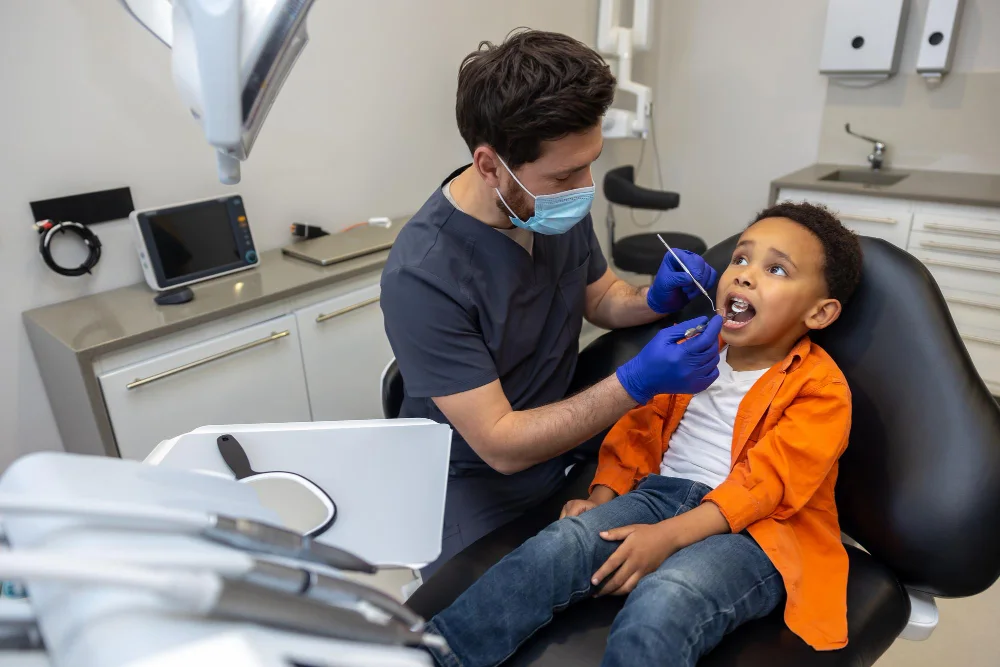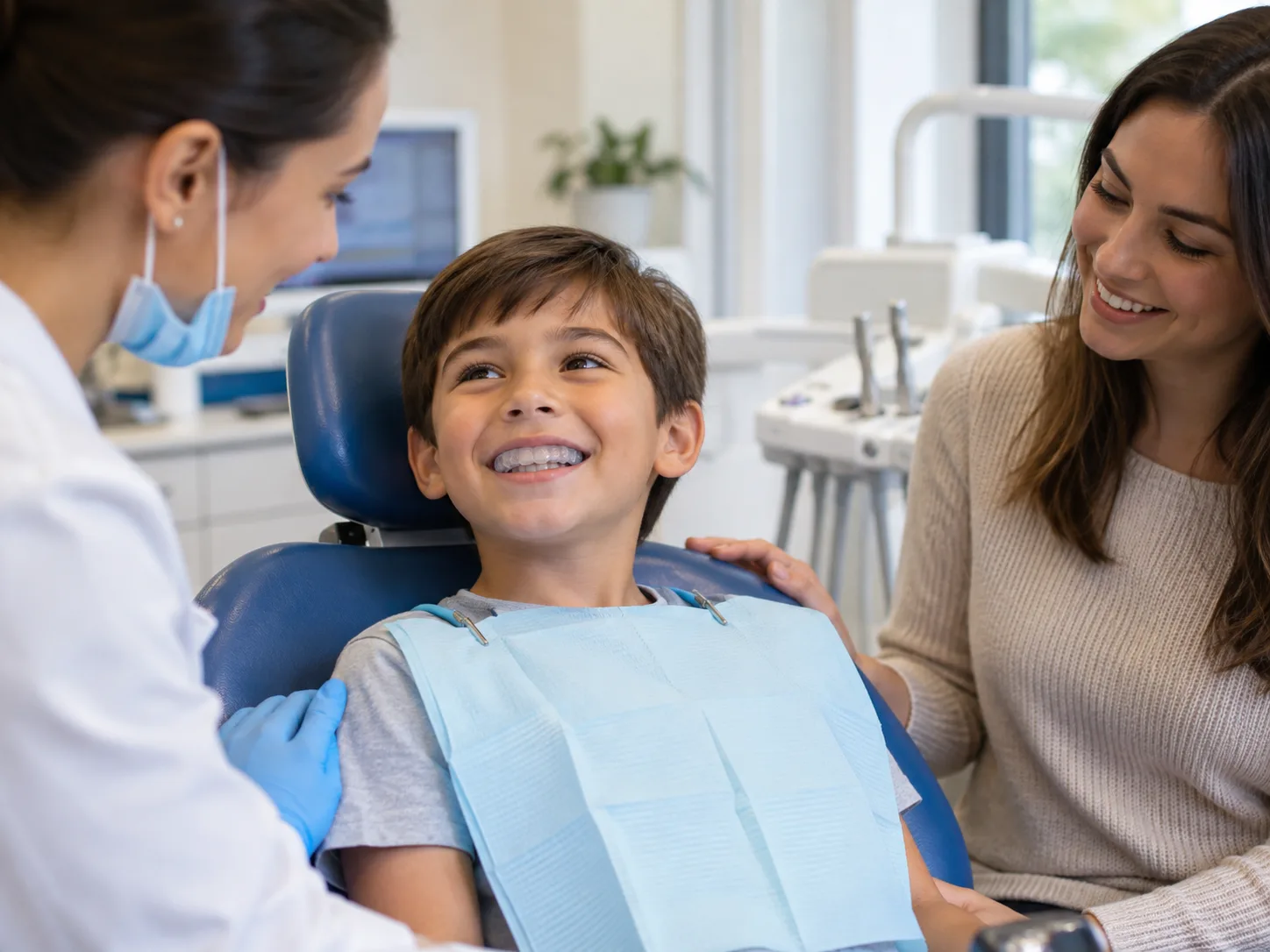
A kid mouth guard for teeth grinding can protect teeth from wear, chipping and repeated pressure when a child clenches or grinds during sleep. But not every child who grinds needs a night guard. Mild childhood bruxism often settles without treatment, while persistent grinding, pain, damaged teeth or sleep-related concerns deserve a dental assessment.
At Little Bites Dental Clinic in Faridabad, the priority is to decide whether your child needs protection, monitoring or investigation of a contributing problem - not simply to place every child in a mouth guard.
What Is Teeth Grinding in Children?
Teeth grinding, or bruxism, means clenching or grinding the teeth. It can happen while a child is awake, but parents often notice it during sleep. Sleep, stress, behaviour, medicines, pain and other health factors may be relevant in some children.
Does a Kid Mouth Guard Stop Teeth Grinding?
Usually, no. A night guard acts as a protective barrier between the upper and lower teeth. It can reduce direct tooth contact and limit the consequences of repeated grinding. Protecting teeth from bruxism is different from curing bruxism.
When Might a Child Need a Mouth Guard?
A dentist may consider one when grinding is persistent and affecting the teeth, jaw or comfort. Signs that deserve assessment include:
- Visible flattening or unusual tooth wear
- Chipped or cracked teeth
- New tooth sensitivity
- Morning jaw soreness or facial muscle fatigue
- Headaches associated with jaw tension
- Pain while chewing
- Grinding that continues for months or is worsening
- Damage to fillings, crowns or other restorations
Also mention loud snoring, pauses in breathing, gasping, chronic mouth breathing, restless sleep or marked daytime sleepiness. A night guard is not a treatment for a breathing disorder.
When Might a Night Guard Not Be Necessary?
If grinding is occasional, the child has no pain and the dentist finds no concerning wear, monitoring may be more appropriate. Children change dentally quickly as baby teeth are lost, permanent teeth erupt and the bite develops.
What Is the Best Mouth Guard for a Child?
The best mouth guard is selected according to age, dental development, bite, symptoms and tooth wear.
| Type | Main advantage | Limitation |
|---|---|---|
| Custom dental night guard | Designed around the child's teeth and bite; can be reviewed and adjusted | May need adjustment or replacement as teeth erupt |
| Boil-and-bite guard | Lower cost and readily available | Less precise fit and may feel bulky |
| Stock guard | Cheapest and immediately available | Least individualised fit and may be unstable |
For persistent bruxism with dental damage, an appliance provided and monitored by a dentist is easier to reassess as the child's teeth change.
Is a Night Guard Safe for Kids?
A properly selected and monitored appliance can be used in children when there is a valid indication. Arrange a review if the guard feels tight, a permanent tooth is erupting, it no longer seats completely, the child develops gum soreness, the bite feels unusual, or the appliance becomes cracked or worn. Do not trim, reshape or heat-modify a dentist-made guard at home unless your dentist says to do so.
Night Guard vs Sports Mouth Guard
No. A sports mouth guard reduces oral injury during impact-risk activities. A night guard is designed around repeated tooth contact from clenching or grinding.
- A sports guard should not automatically be used as a sleeping appliance.
- A night guard for bruxism should not automatically be considered adequate sports protection.
If your child grinds and plays contact sports, ask whether separate appliances are appropriate.
What Should a Dentist Check?
- Tooth wear, cracks and sensitivity
- Jaw muscles and joints
- Bite and eruption stage
- Daytime clenching habits
- Sleep history, snoring and breathing concerns
- Health and medication history
In selected children, the dentist may recommend assessment by a pediatrician, ENT specialist or sleep physician instead of relying on a dental appliance alone.
How Much Does a Night Guard Cost in India?
There is no responsible single price. Cost can vary according to ready-made versus custom fabrication, material, scanning or impressions, laboratory requirements, dental development, future adjustments and follow-up. Ask what the quoted fee includes before choosing an appliance based only on the lowest online price.
How Should a Child Care for a Night Guard?
- Rinse it after removal
- Clean it gently with a soft toothbrush
- Use cool or lukewarm rather than hot water
- Allow it to dry before storage
- Keep it in a ventilated protective case
- Bring it to dental appointments for fit checks
Frequently Asked Questions
At what age can a child wear a night guard?
There is no universal minimum age. The decision depends on dental development, symptoms and the reason for needing protection.
Can a 6-year-old use a mouth guard for grinding?
Possibly, but a dentist should first determine whether an appliance is actually necessary.
Will a night guard cure my child's bruxism?
Not necessarily. It is mainly intended to protect teeth from grinding and clenching.
Should I worry if my child grinds but has no pain?
Not necessarily, but mention it during a dental examination, especially if tooth wear, headaches, jaw discomfort, snoring or disturbed sleep develops.
Conclusion
A kid mouth guard for teeth grinding can be useful when bruxism causes meaningful tooth wear, sensitivity, fractures or jaw discomfort, but it is not automatically needed for every child who grinds at night. The dentist should assess the teeth, eruption stage, bite, symptoms and sleep history before choosing monitoring, a protective guard or further evaluation.
References
- NHS - Teeth grinding (bruxism).
- Raising Children Network - Mouth guards, teeth-grinding, tooth decay and more.
- American Academy of Pediatric Dentistry - Prevention of Sports-Related Orofacial Injuries.
- Raising Children Network - Teeth-grinding in children.
Author / Medical Reviewer: Dr. Nikitaa Dhingra Sanan
Clinic: Little Bites Dental Clinic, Faridabad
Medical disclaimer: This article provides general educational information and does not replace an individual dental examination, diagnosis or personalised treatment plan.